ANTHONY LUIS SANCHEZ: Composer and Musicologist
  • Home
  • News
    • Archive
  • Works
    • Compositions
    • Musicology
    • Publications
    • Iberian, Latin American, and Caribbean VGM
  • Gallery
    • Photos
  • Blog
  • Contact

Photos


Snapshots from Recent Travels, Part 3
A Stop in Cozumel. Mexico

Over the Christmas break in 2025, I spent some of my time taking a cruise to the Yucatan Peninsula in Mexico via Cozumel and Progresso. These specific areas emphasize the significance behind the Mayan indigenous cultural history and the effects of Spanish colonialist intervention. Of considerable interest to preserving the indigenous visibility in Mexico, I frequently encountered narratives and interpretations concerning the enslavement and liberation of the Mayan people in the country. While walking along the streets in downtown Cozumel, I also witnessed a public demonstration of ceremonial acrobatics for ritualistic purposes known in Spanish as “La Danza de los voladores.”[1] The dance, which is demonstrated across myriad regions in Mexico (like Veracruz), functions as a ceremony intended to honor the indigenous gods of the sun and natural environment. Group members climb to the top of a pole to the sky via ropes and gradually descend from the pole with the ropes tied at one foot while positioned upside-down. The dance additionally incorporates music through ceremonial woodwinds and drumming, which is performed both at the top of the pole and while winding all the way down to the ground.  The participants perform the descent simultaneously in circular motion around the pole. “La Danza de los voladores” requires immediate precision and attention due to the high altitude and leaves no room for errors.  


[1] “The Dance of the Flyers”

Snapshots from Recent Travels, Part 2
Musicological Connections to the Circus in Baraboo, Wisconsin

In the same week when I visited Taliesin, which I discussed in the previous photo gallery description, I also took the opportunity to visit Baraboo, Wisconsin. The town holds historical significance for serving as the home and original base of operations for the Ringling Family: best known for promoting their circus entertainment empire in the nineteenth and twentieth centuries: what eventually became known through different mergers over time as “Ringling Bros. & Barnum & Bailey,” which functioned until 2017. Audiences today may recognize the name “Barnum” for P. T. Barnum due to the success of the stylized (and, at times, historically questionable) musical biopic, The Greatest Showman (2017). Baraboo primarily focuses on the history of the circus from its origins in the UK in the eighteenth century to the impact of the Ringling Family[1] and legacy of the circus from the nineteenth century through more contemporary times. Perusing many of the preserved historical artifacts at their home and Circus World, an interactive museum additionally illustrates how music served as a key component during circus performances. One can find brass, woodwind, and percussion instruments used by different marching bands, as well as some the of calliopes featured on circus wagons whenever the troupes paraded into the cities and towns across the United States. I also noticed musical scores on display, which designated the types of pieces played by the orchestras and other ensembles during the show: both to serve as cues for each circus performer and to stress musical exoticism, as in their incorporation of Spanish and Latin American musical genres.


[1] This is the anglicized version of the surname, “Rungeling.” The Wisconsin Historical Society indicates that the family originated from Germany and immigrated to the United States in the nineteenth century. More details regarding the connection with Baraboo to circus entertainment can be found on the Wisconsin Historical Society website.


Snapshots from Recent Travels, Part 1
Musical Instruments at Taliesin in Spring Green, Wisconsin

This gallery displays myriad musical instruments featured at Taliesin: the main estate of famed twentieth-century architect Frank Lloyd Wright (1867-1959), who resided there for about fifty years throughout most of his career. Taliesin (sometimes called Taliesin East to differentiate from his Taliesin West home in Scottsdale, Arizona from his later years) derives from the Welsh language meaning “radient brow.” The structure serves a dual purpose by referring to both the curvature of the rural Wisconsin landscape on which his home stands and demonstrating how Wright openly acknowledged his Welsh ancestry. The carefully preserved house demonstrates how the space would have looked in the 1930s after Frank Lloyd Wright rebuilt it a third time. The two previous attempts eventually resulted in their complete destruction by fire: the first resulting from an arsonist in 1914 (although motives remain unclear) and the second fire caused by electrical problems in 1925.
​
Music helped play a vital role for Frank Lloyd Wright in forming his approach to architecture. The eclectic range of keyboard and string instruments shown serve as testament: from the balalaika to the organ, pianos, harp, and harmonium. It also deserves mention that Wright played the piano, initially seeking to become a concert pianist before turning his attention to architecture. In many respects, the instruments also complement his architectural work at Taliesin in challenging public perceptions about specialization and showing his profound appreciation for the arts, music cultures, and customs beyond the United States. More information concerning the musical connections to Frank Lloyd Wright can be found directly through the Frank Lloyd Wright Foundation. 

IGGAD 2025

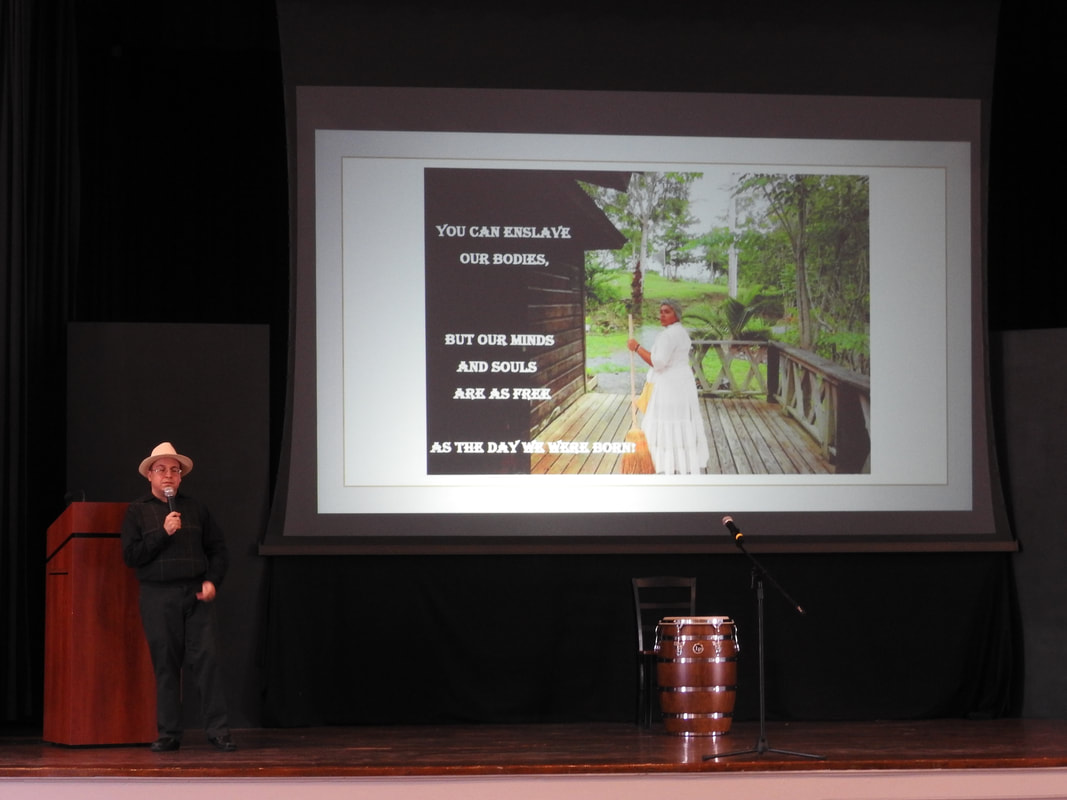
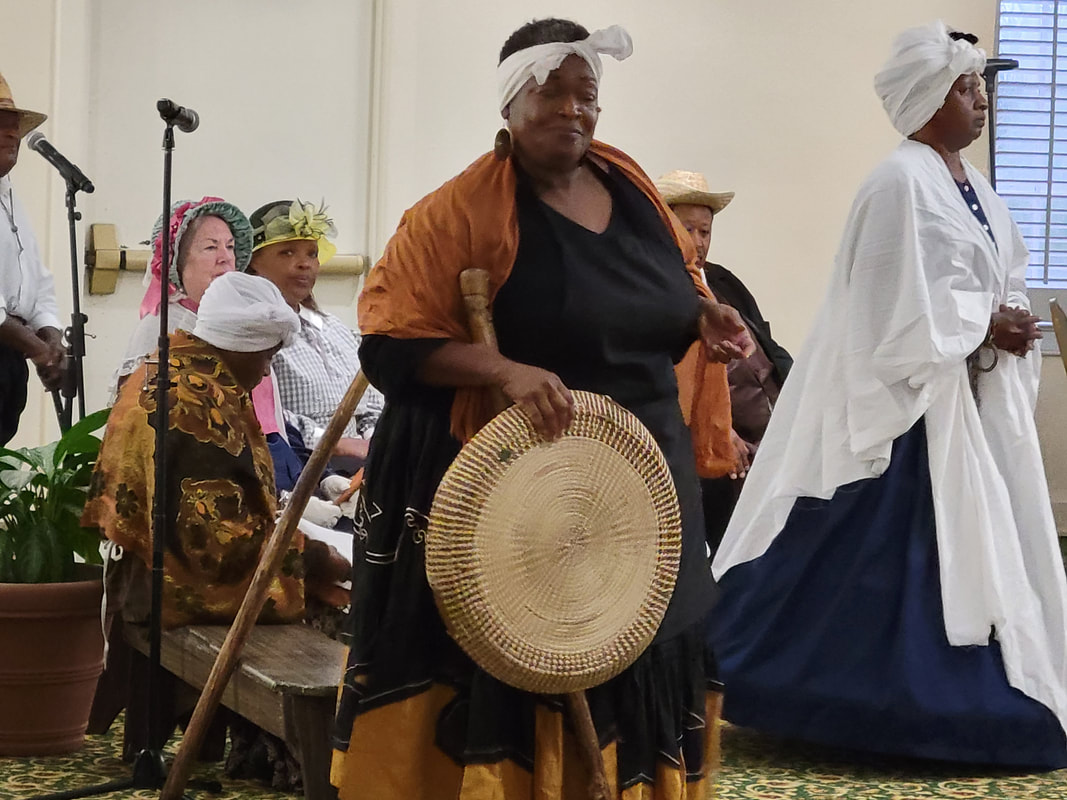
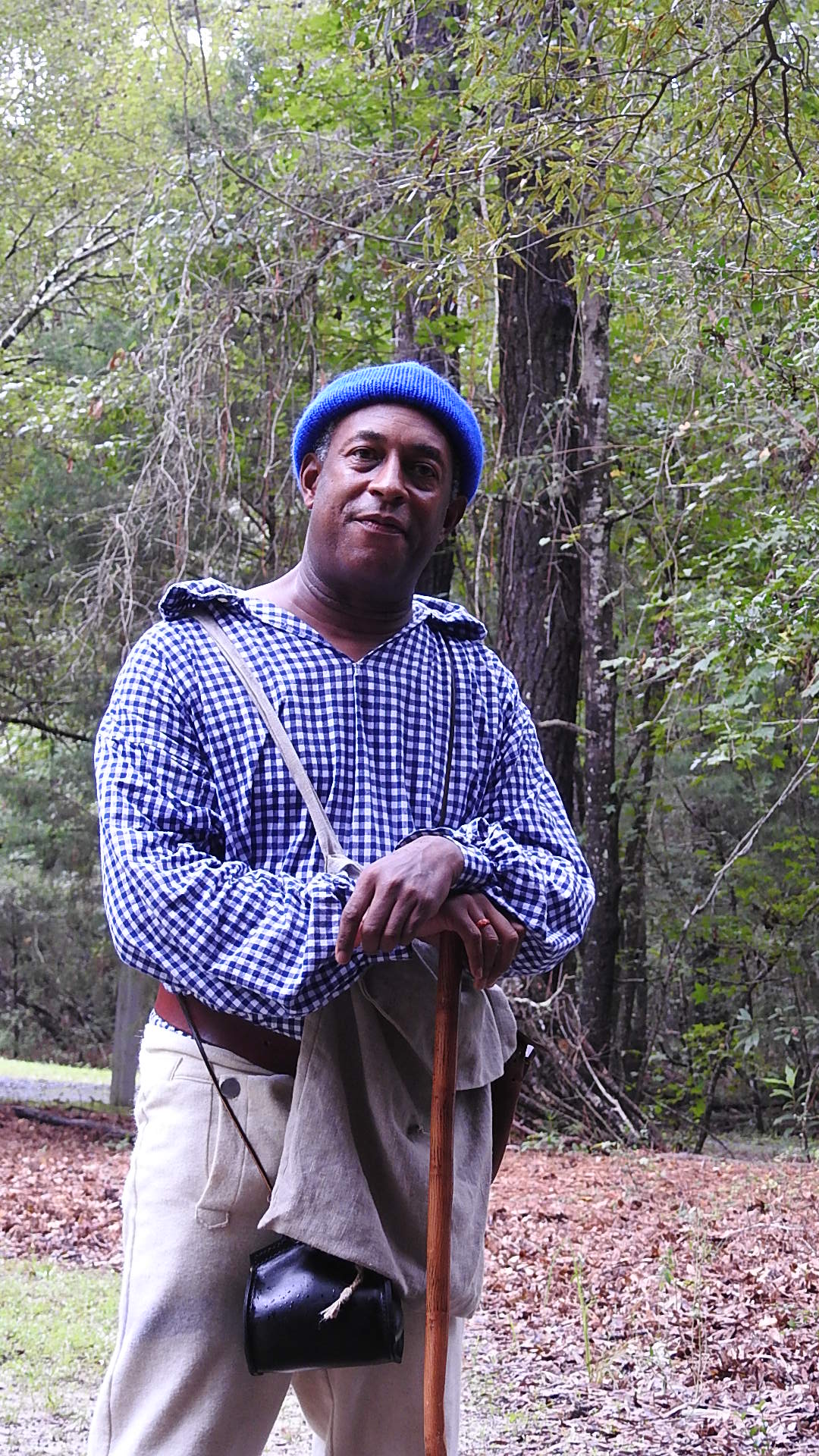
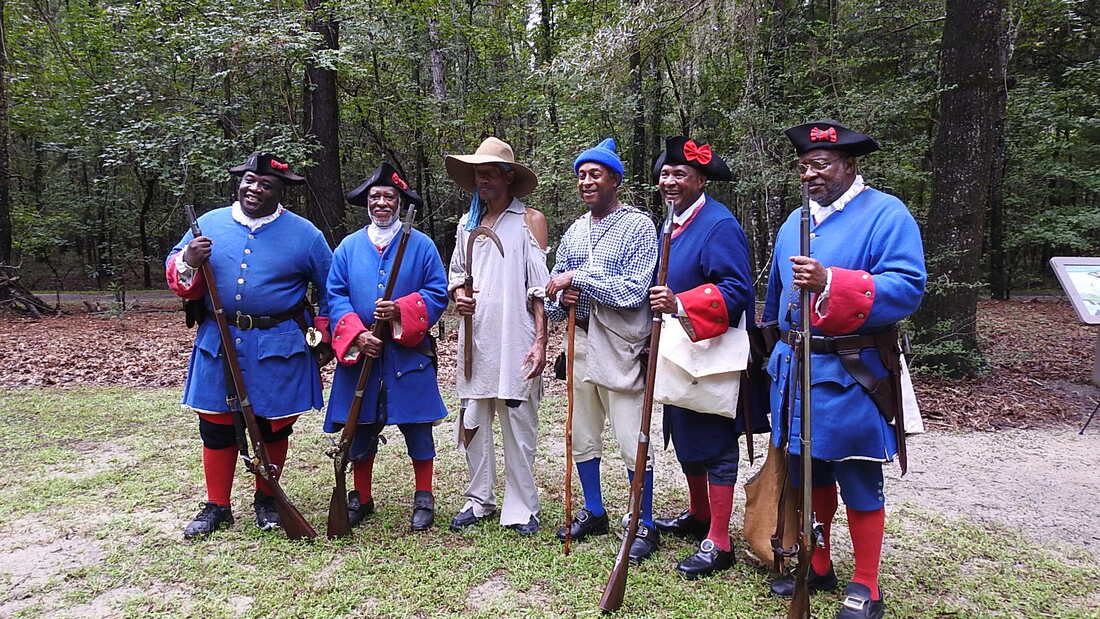
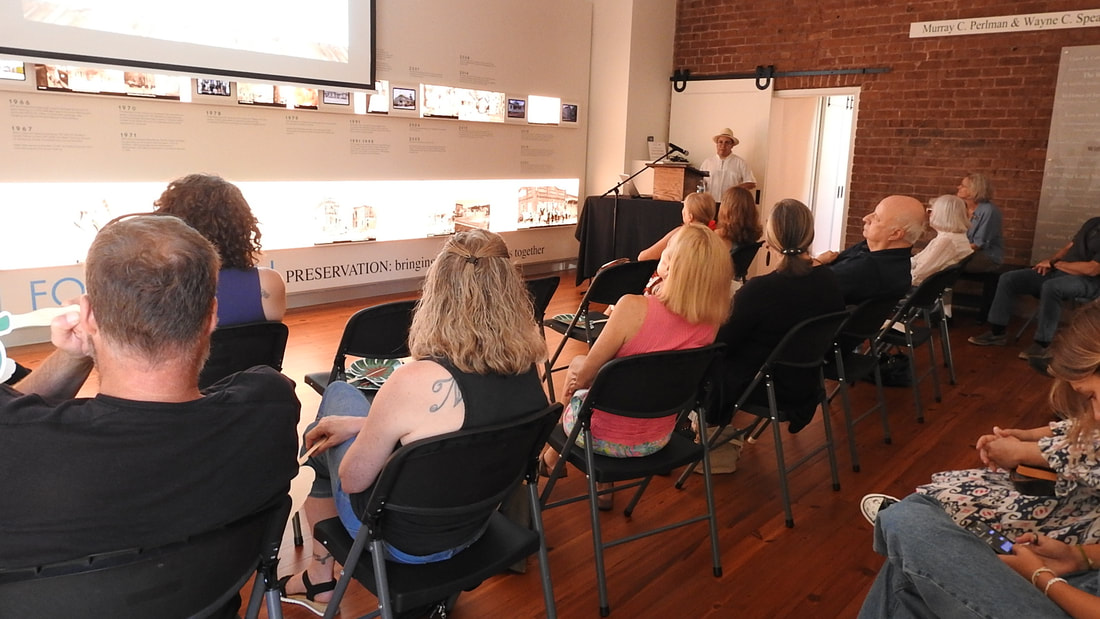
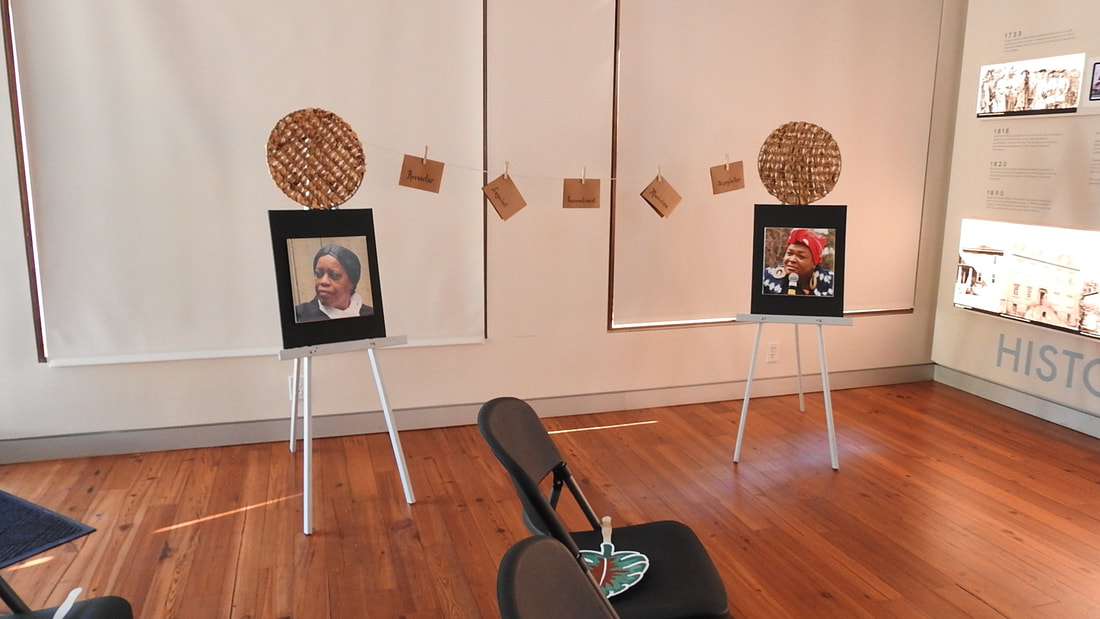
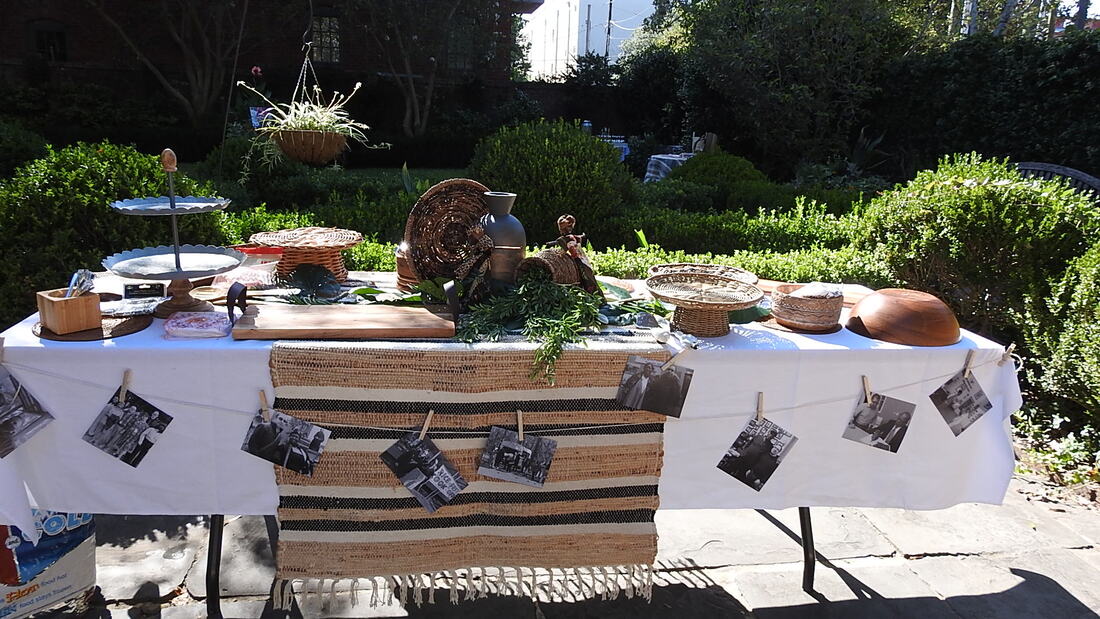
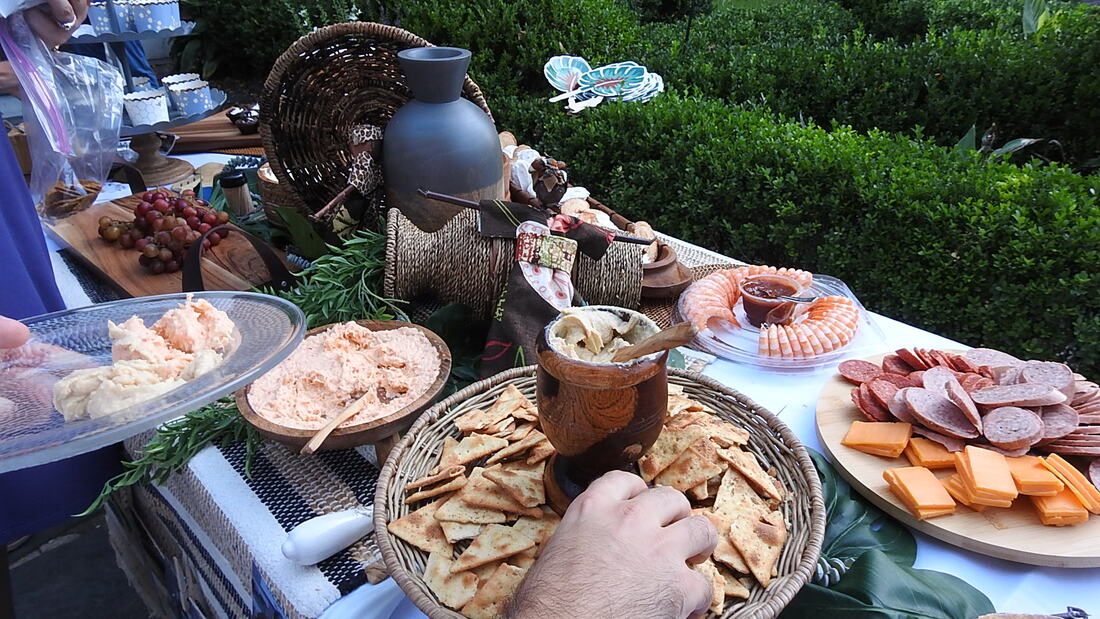
Stepping into My Shoes:  Abolition and Music as Resistance to Invisibility in Afro-Puerto Rican Identity
An IGGAD 2025 Installation


A Peek into Collaboration

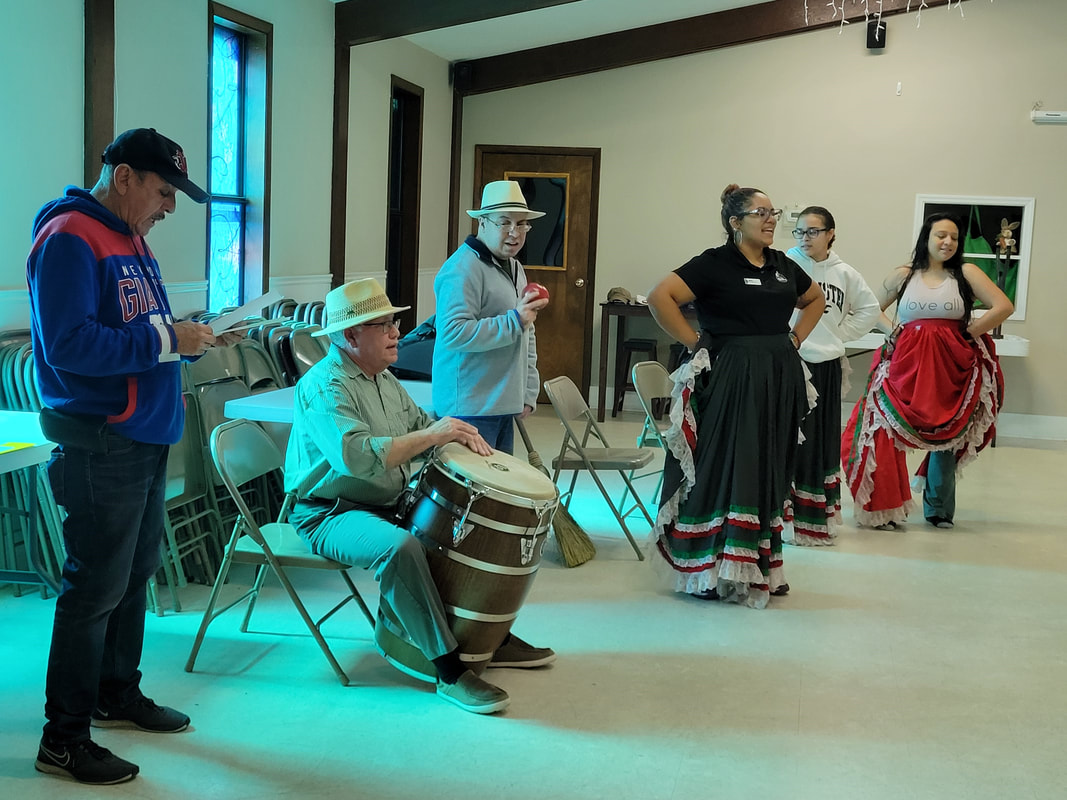
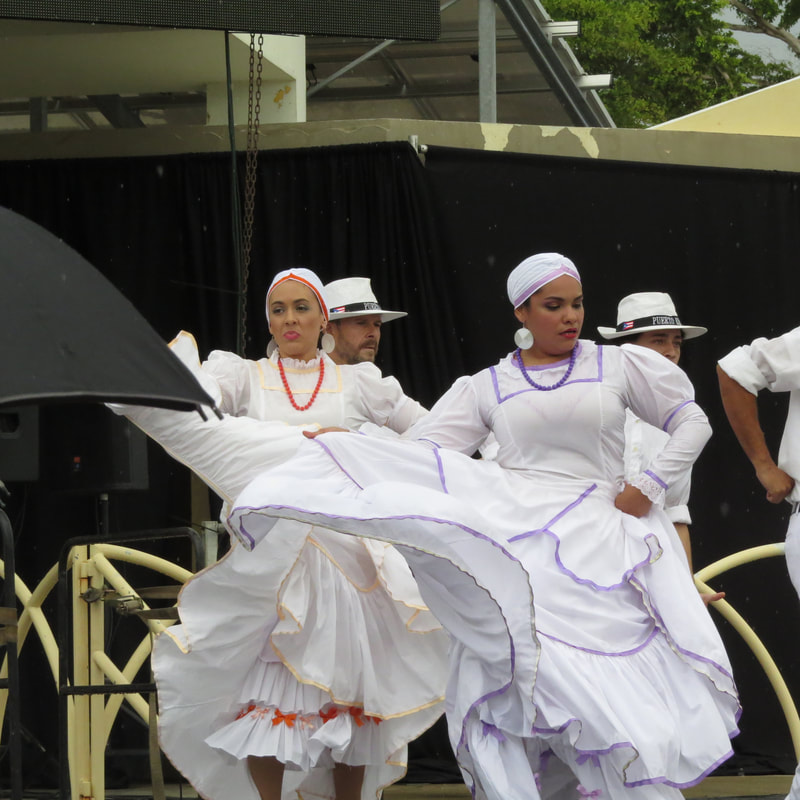
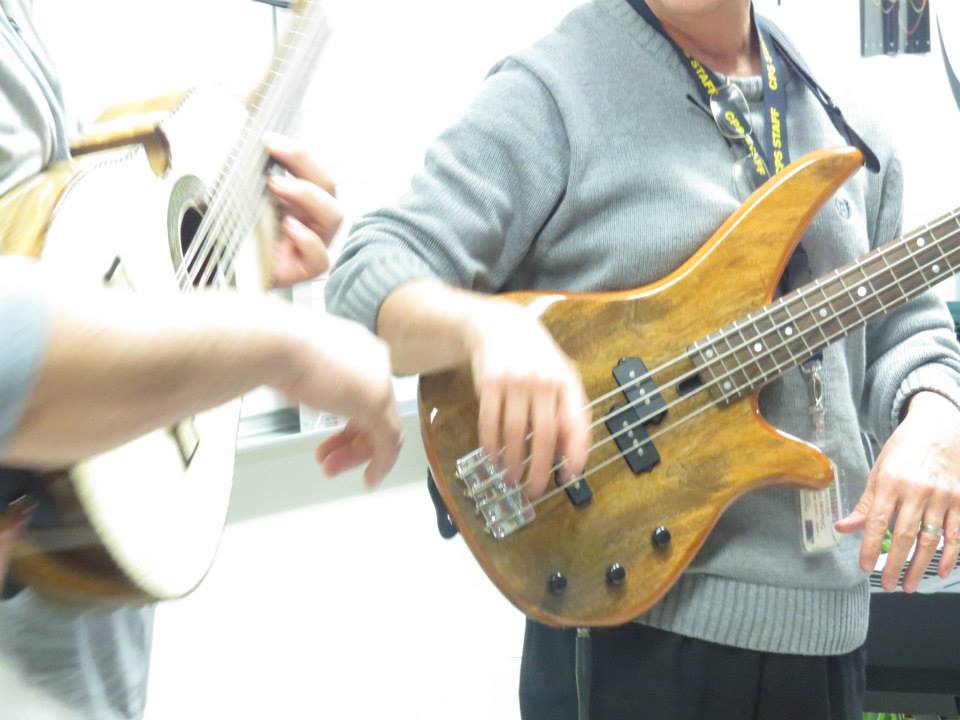
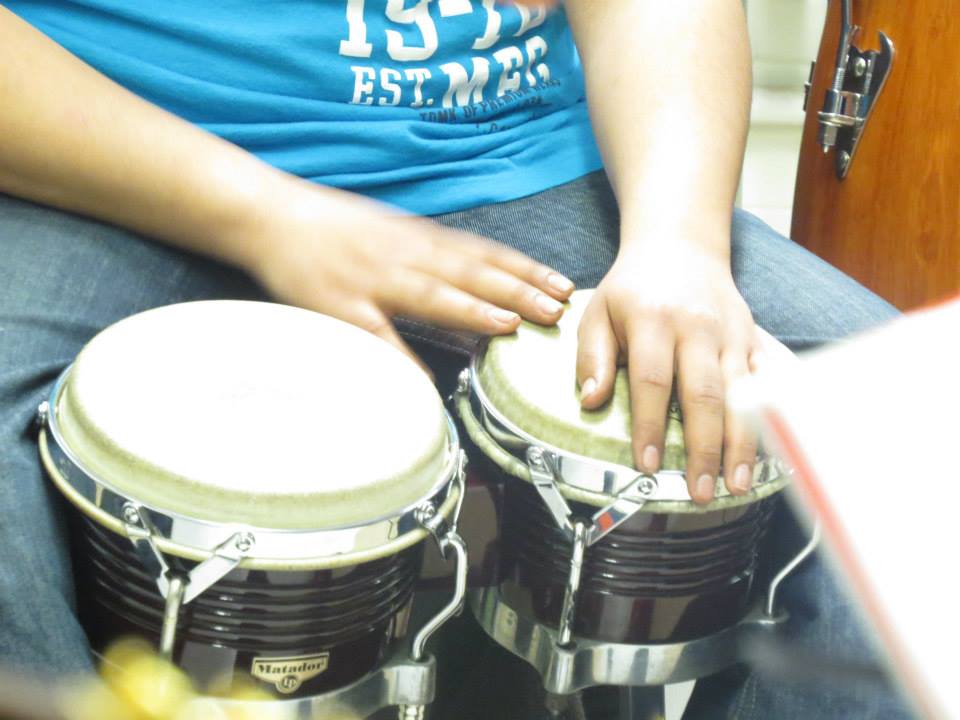
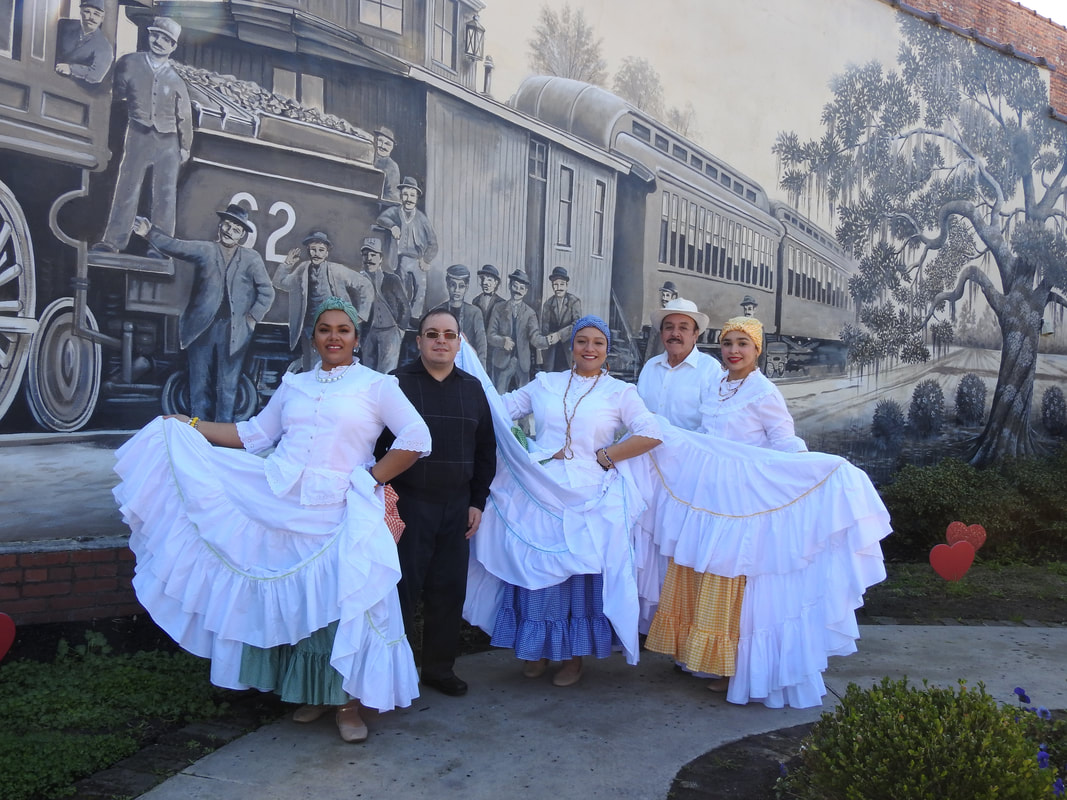
Working on bomba performance practice and meeting with members of the Hispanic Heritage Folkloric Dance Group

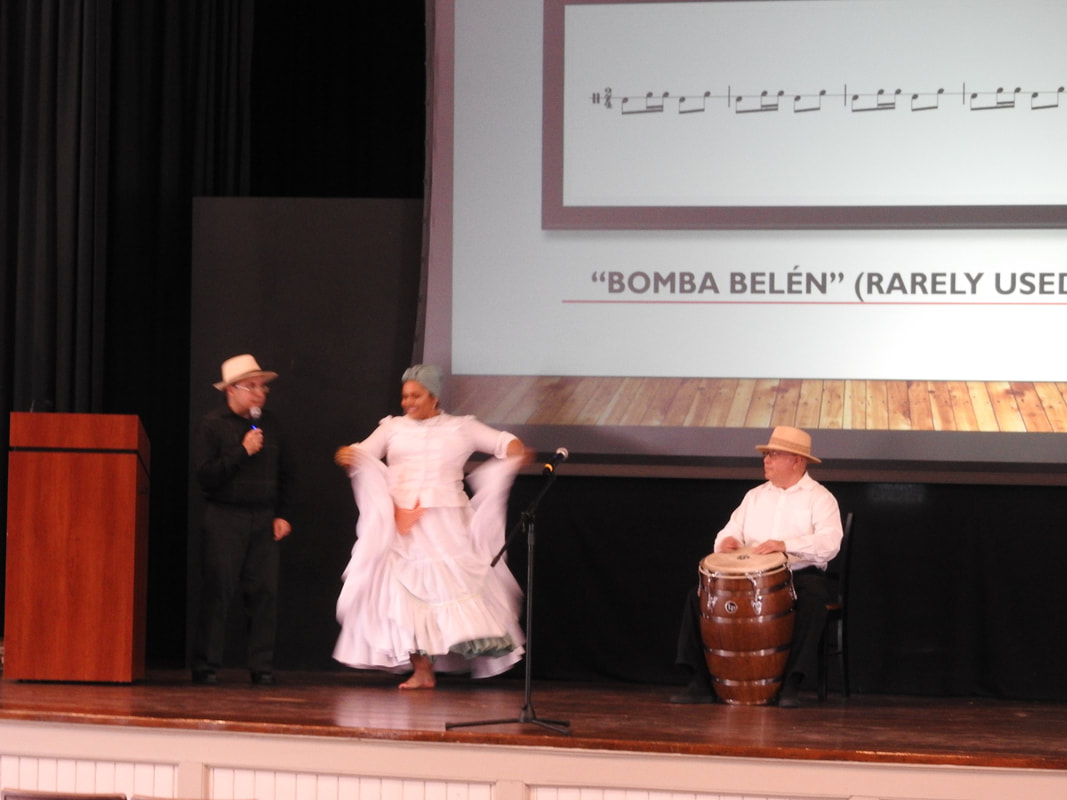
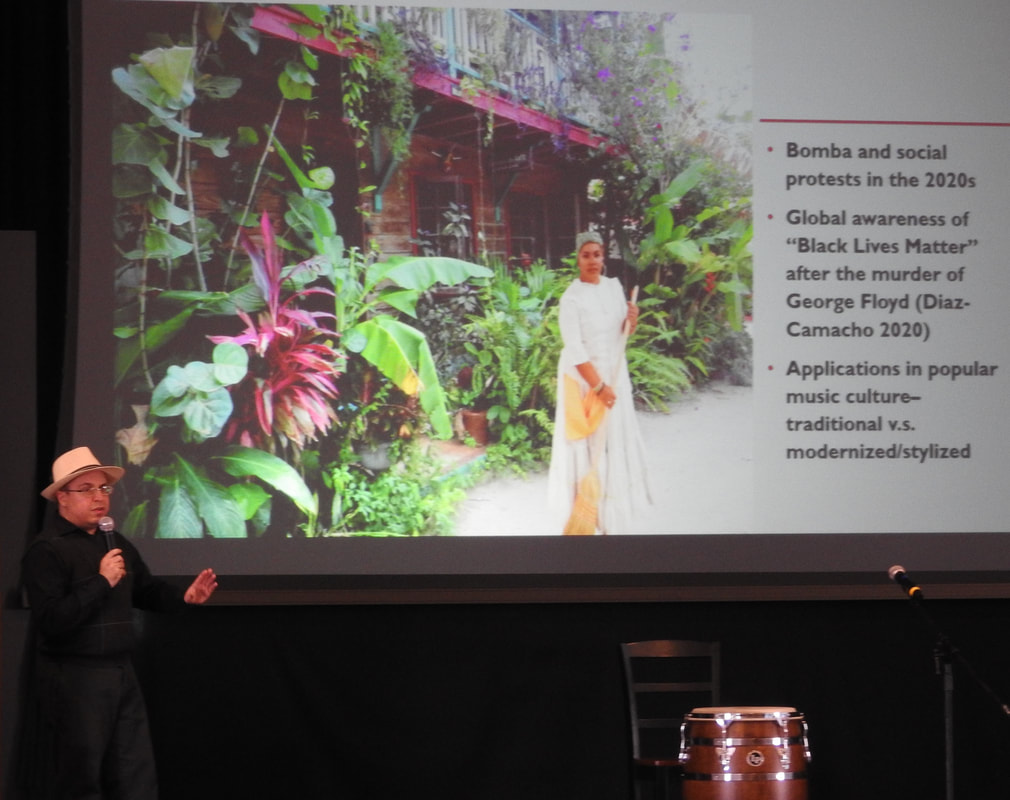
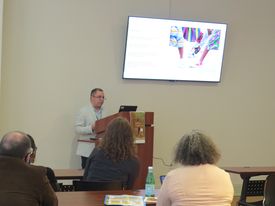
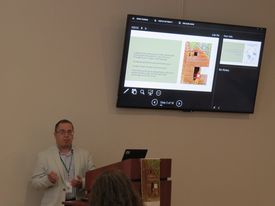
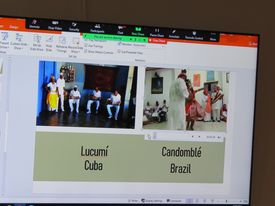
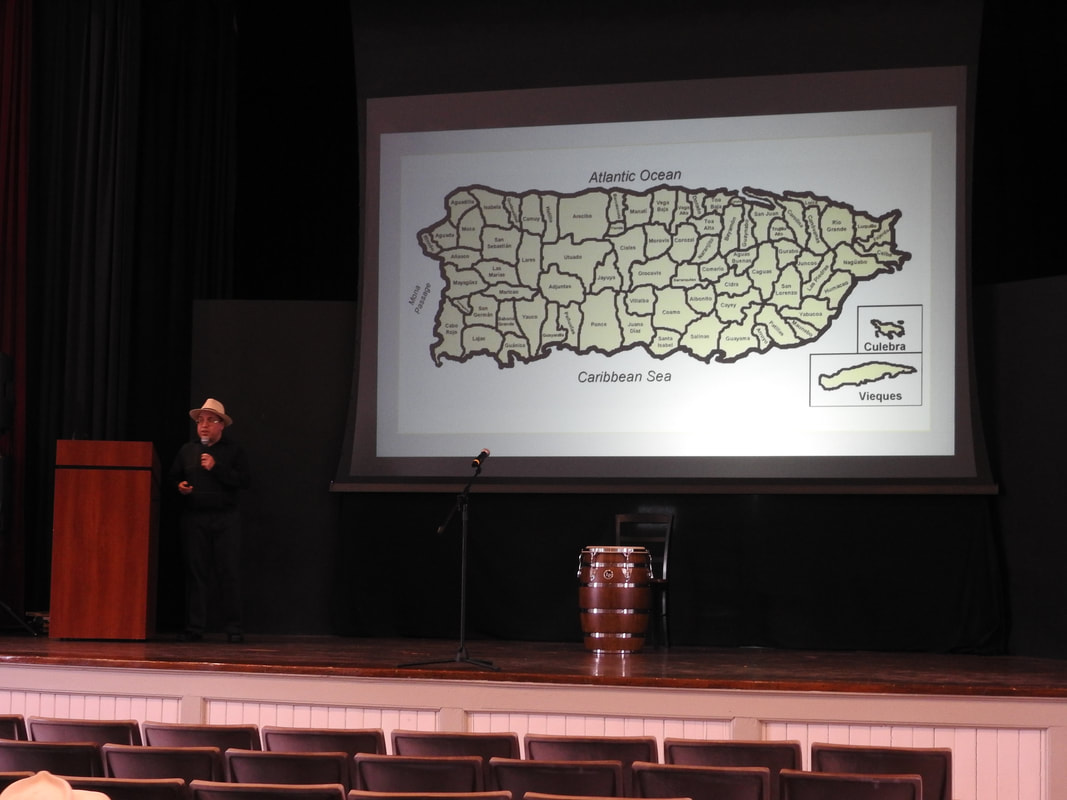
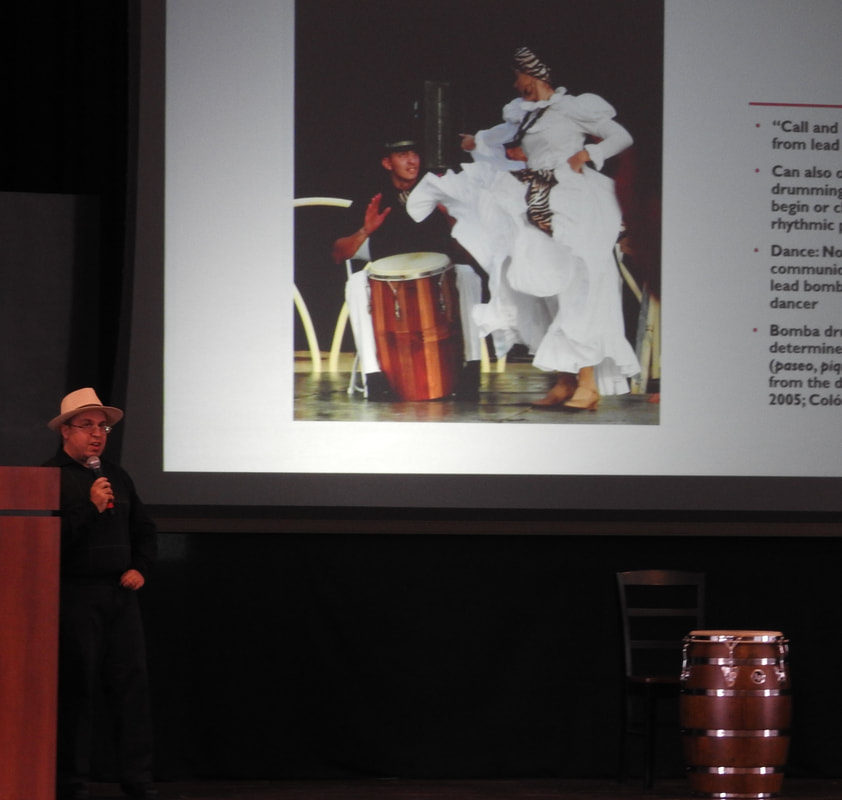
Bomba Then and Now: Uncovering and Understanding the Afro-Puerto Rican Diasporic Connections Through Communication, Music, and Dance

Lecture at the 2024 International Gullah Geechee and African Diaspora (IGGAD) Symposium:
February 24, 2024
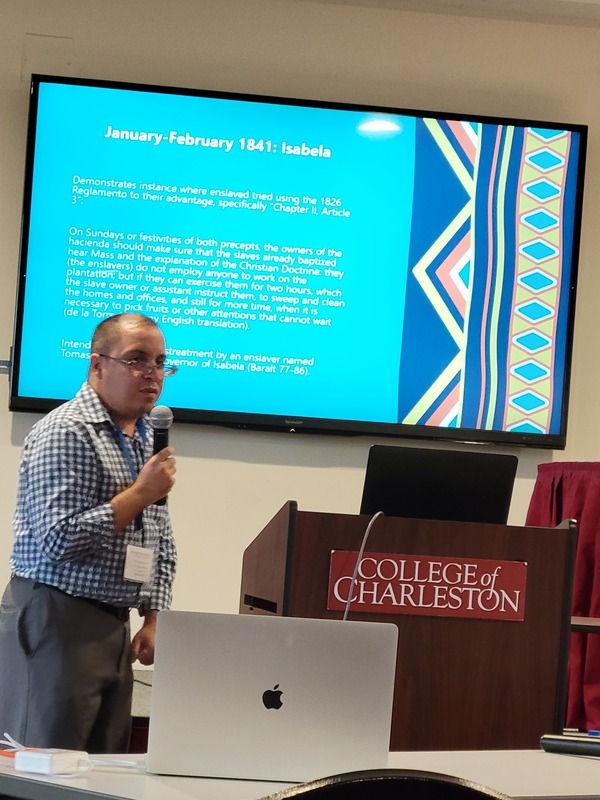
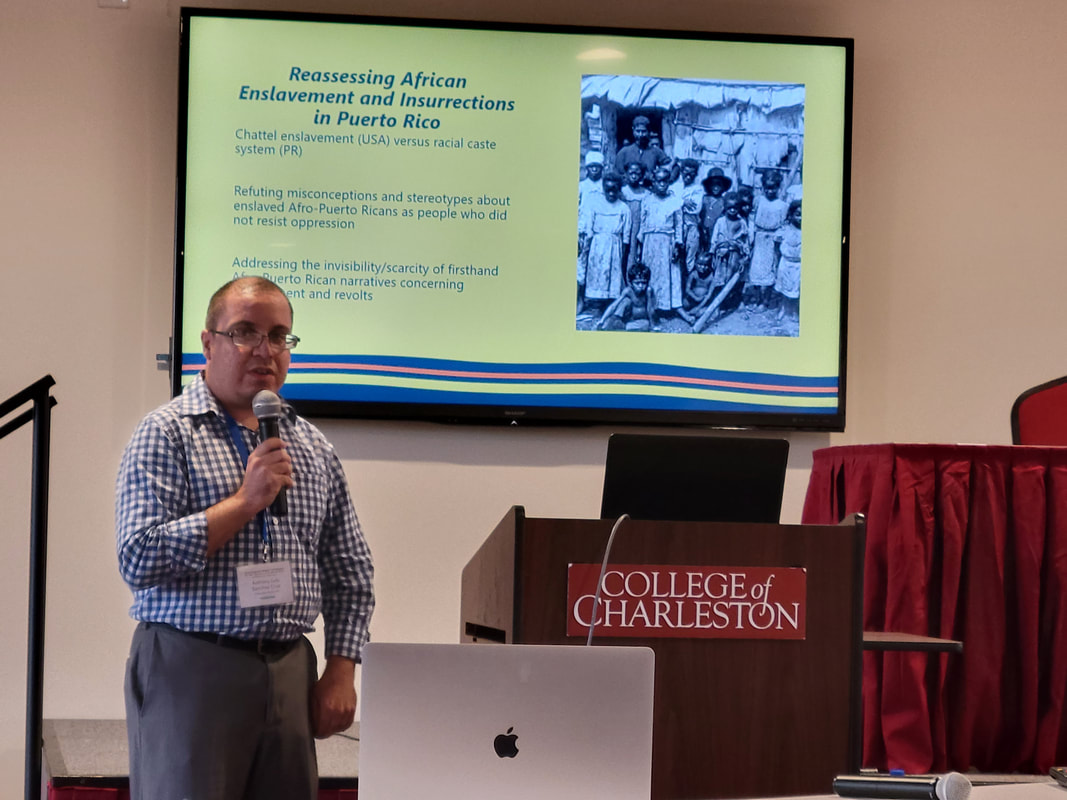
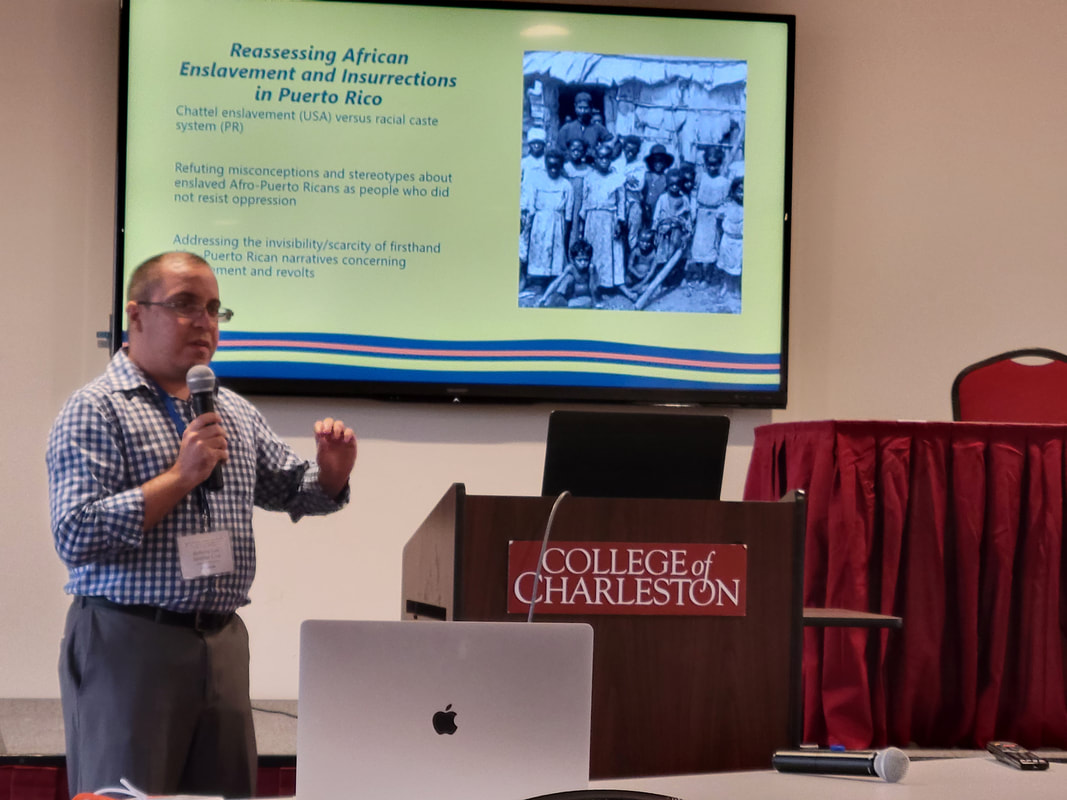
Freedom on Their Own Terms: Understanding and Reassessing Enslavement Insurrections on the Island of Puerto Rico

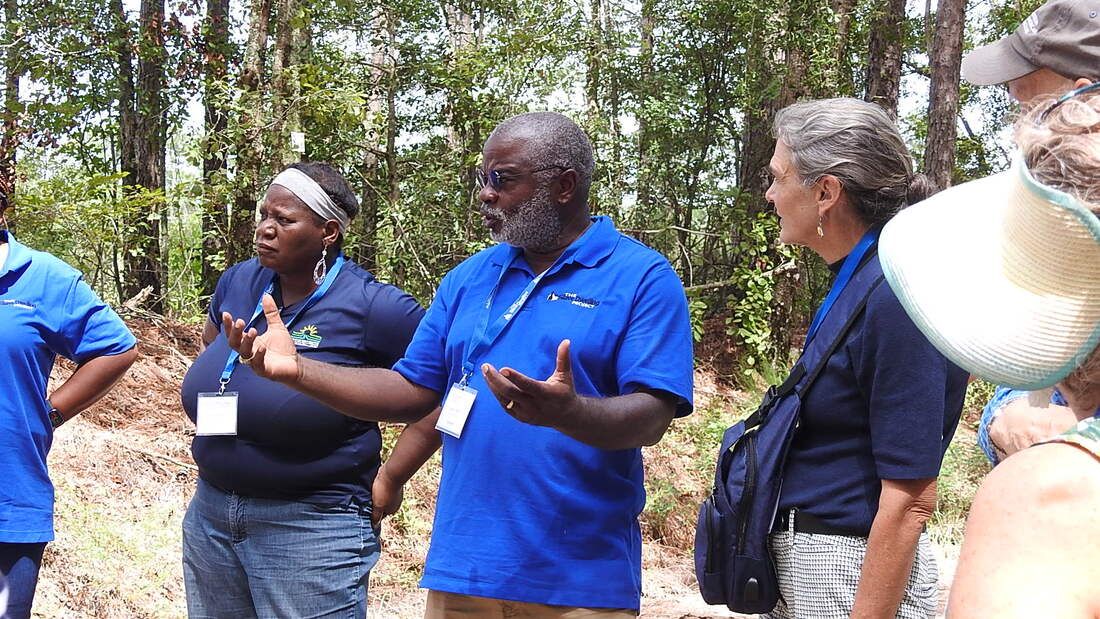
Lecture at the 2022 Slave Dwelling Project: September 8, 2022

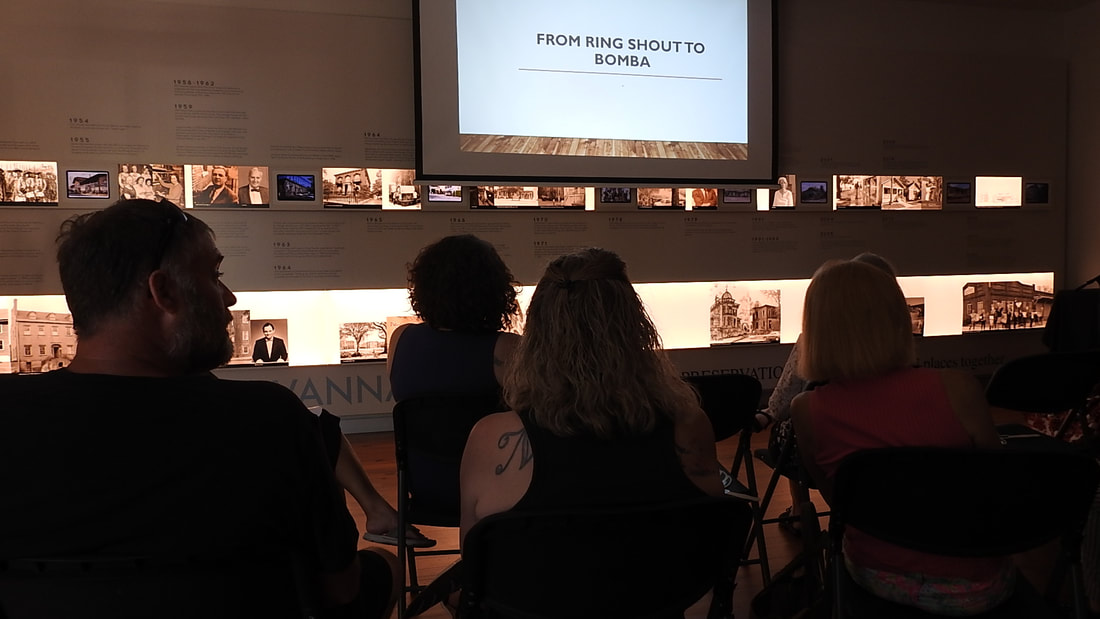
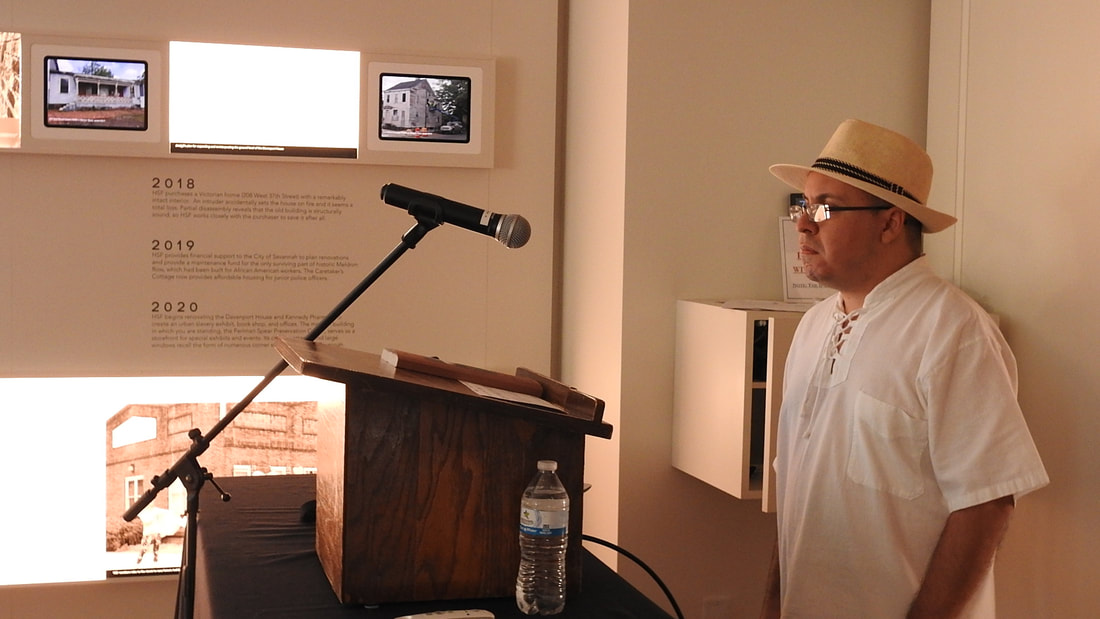
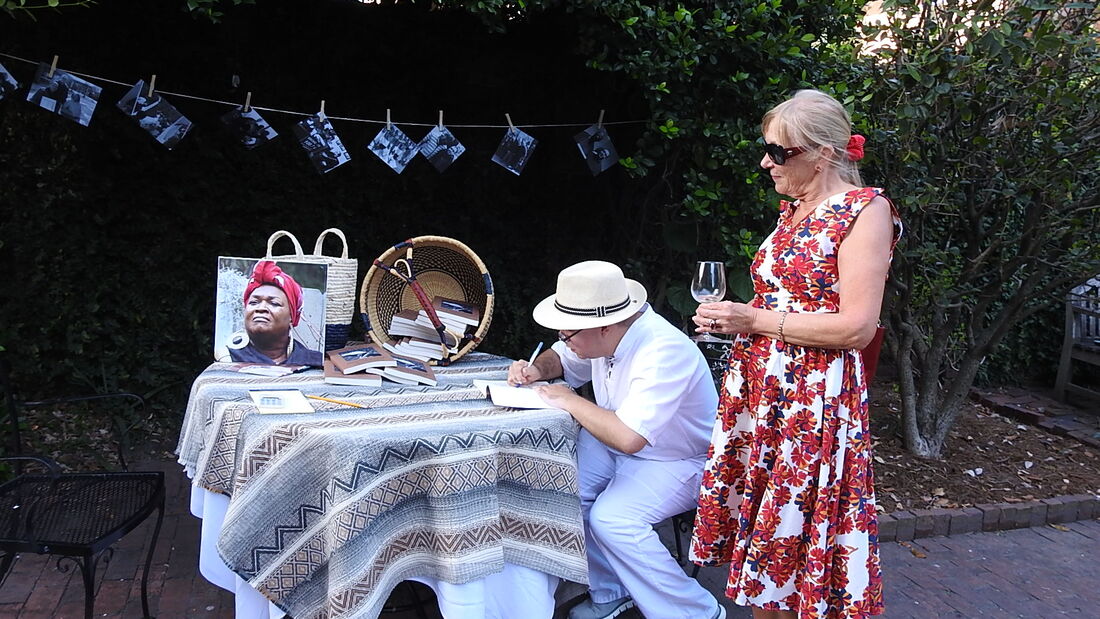
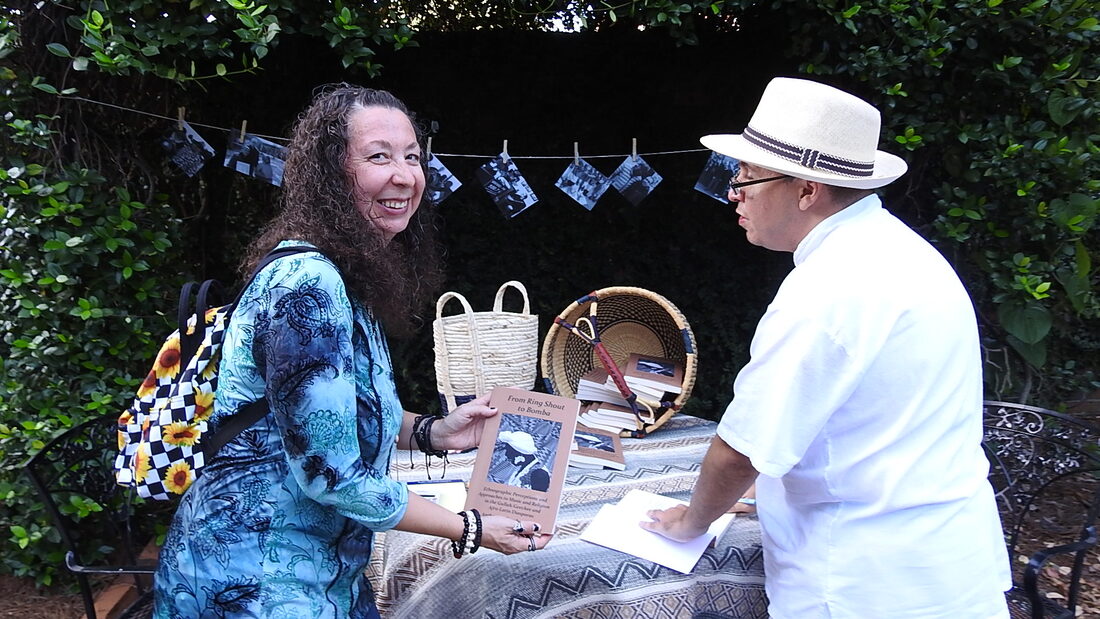
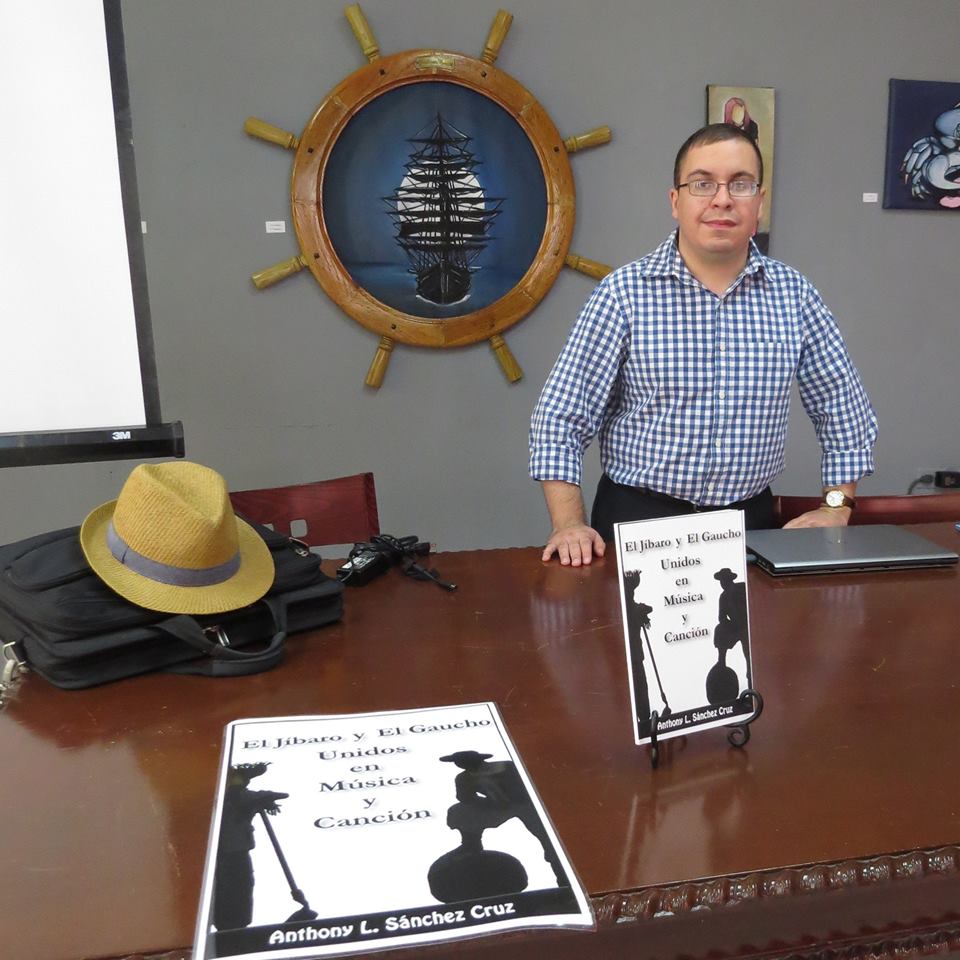
From Ring Shout to Bomba​ Book Presentation: August 4, 2022

Expanding the Repertoire for a New Generation
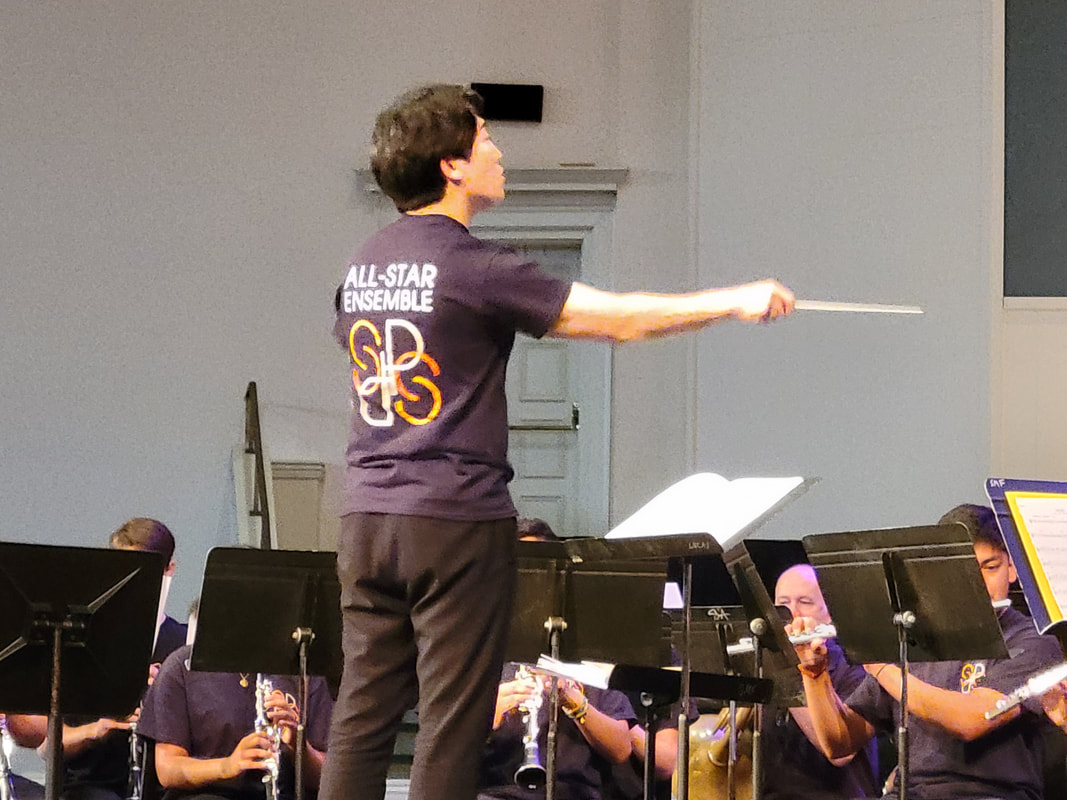
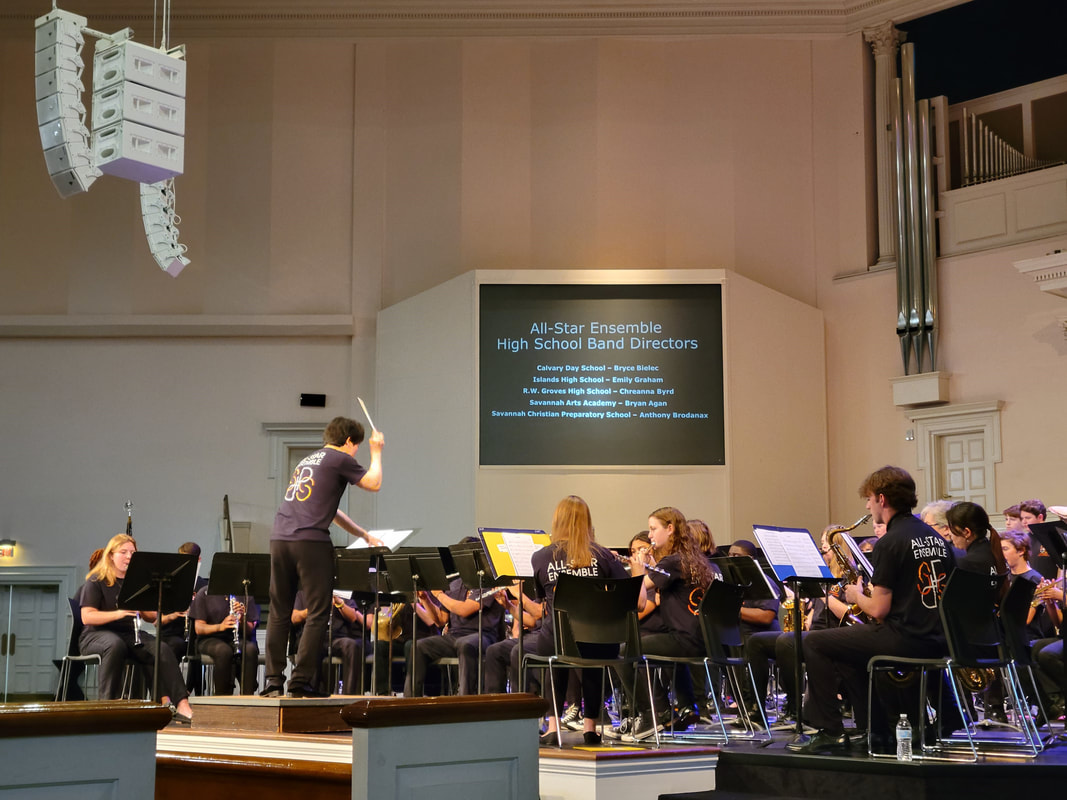
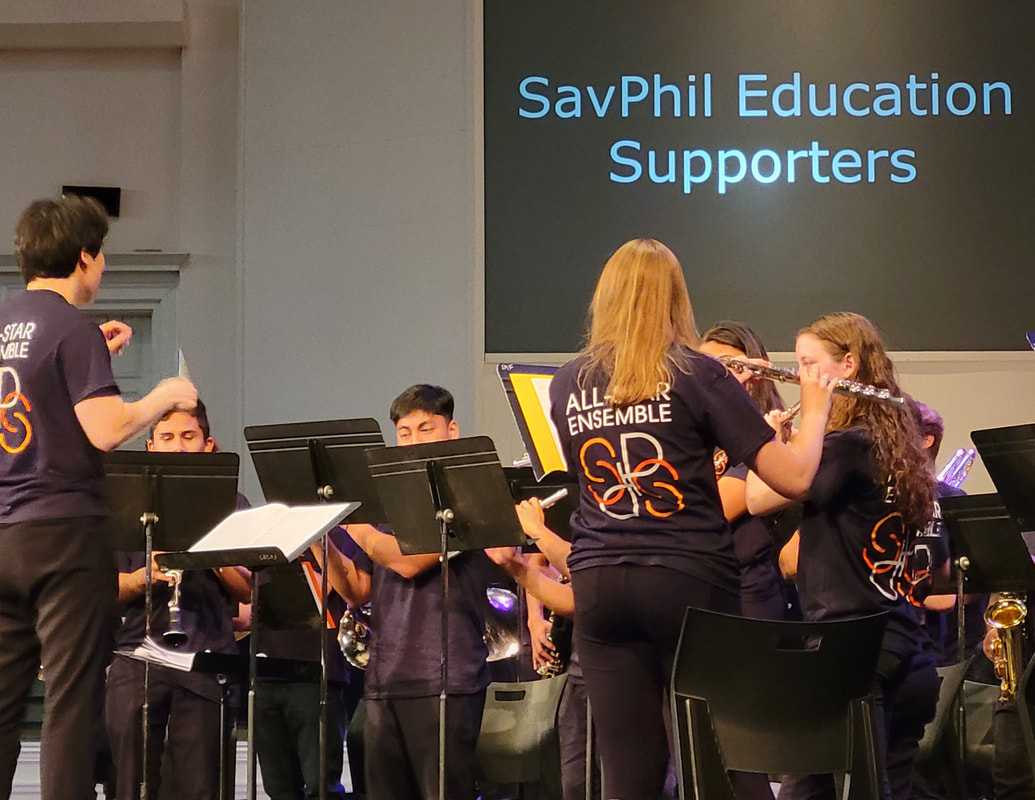
These photos were from a concert by the Savannah Philharmonic All-Star Ensemble, a group of talented musicians from across myriad high schools in the Savannah, Georgia area. Under the direction of conductor Keitaro Harada, this group servers as one of many ways in which the Savannah Philharmonic strives to serve the community by performing engaging orchestral and band works. They also practice inclusiveness by sharing that music with multiple communities and age demographics in the city. This was evident at the concert because the program by the All-Star Ensemble largely consisted of energetic pieces from both the classical and popular repertoire-- from Gustav Holst, to Taylor Swift-- and (in their "encore") encouraged participation from the audience through clapping. 


Unidos en la Música

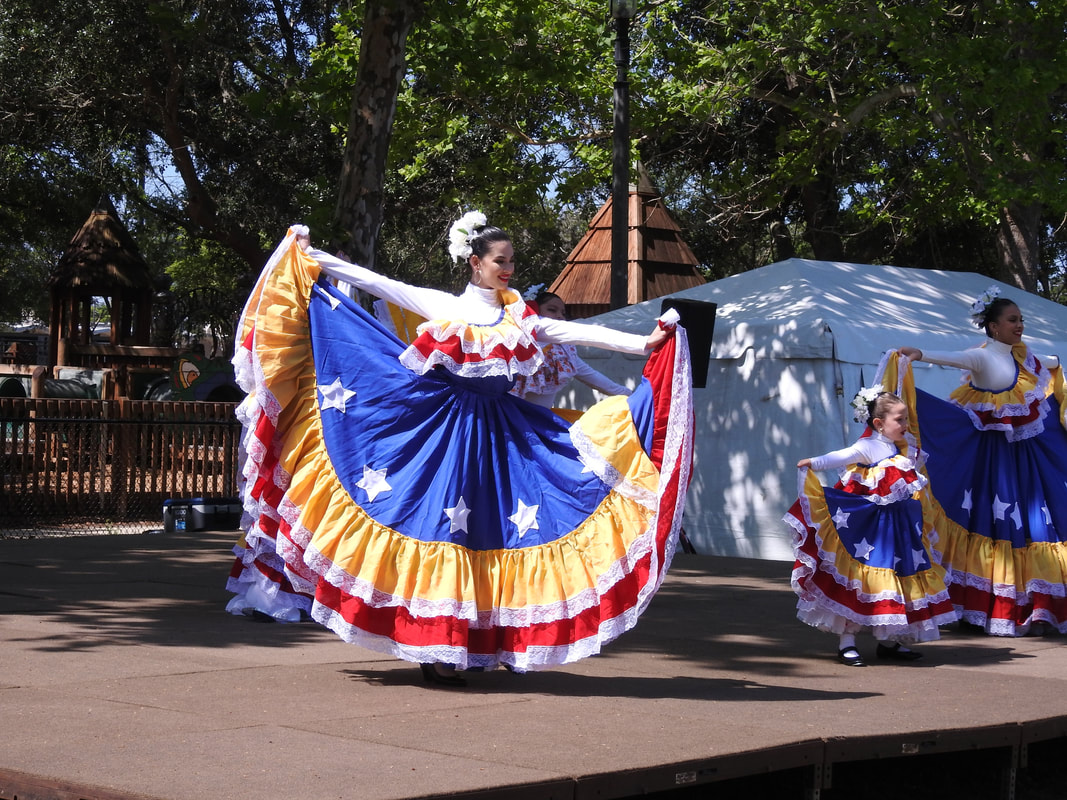
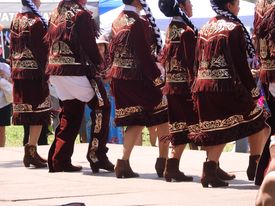
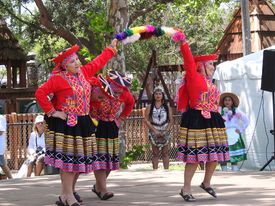
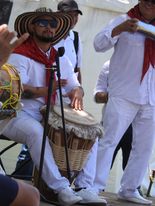
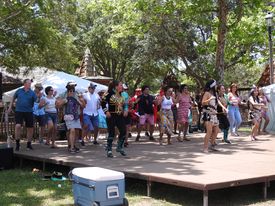
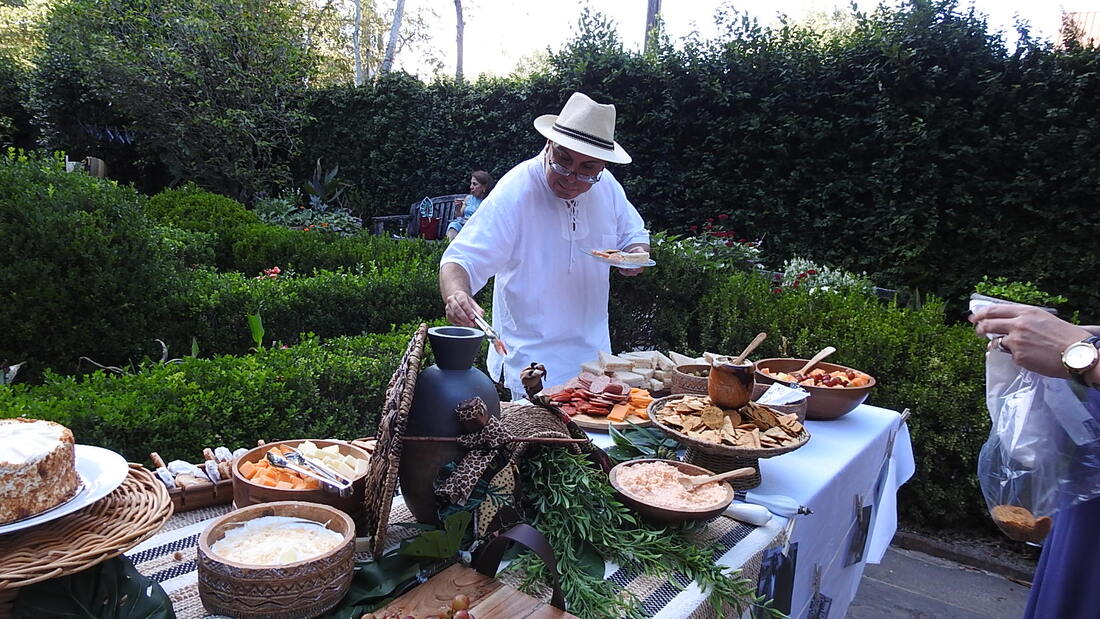
These are highlights from the annual Unidos en la Música (United in Music) festival in St. Augustine, FL. The all-day event showcased the diversity of traditions across the Hispanophone (Spanish-speaking) and Lusophone (Portuguese-speaking) regions of Latin America and the Caribbean through music, dance, and cuisine. The photos shown below present examples of traditional folkloric music and dances from Venezuela, Peru, and Colombia. The festival also openly acknowledged the Indigenous and African presence in the Latin American and Caribbean cultural narratives, as I noticed in the music and dance presentations representing Peru and Colombia, as well as an Afro-Brazilian Capoeira martial arts dance performance that would take place later in the day (not shown). To encourage audience participation, Unidos en la Música also featured moments with reggaeton rap and funk, in addition to providing interactive workshops involving different forms of dance, like salsa​    

Lost in (Mis)Interpretation

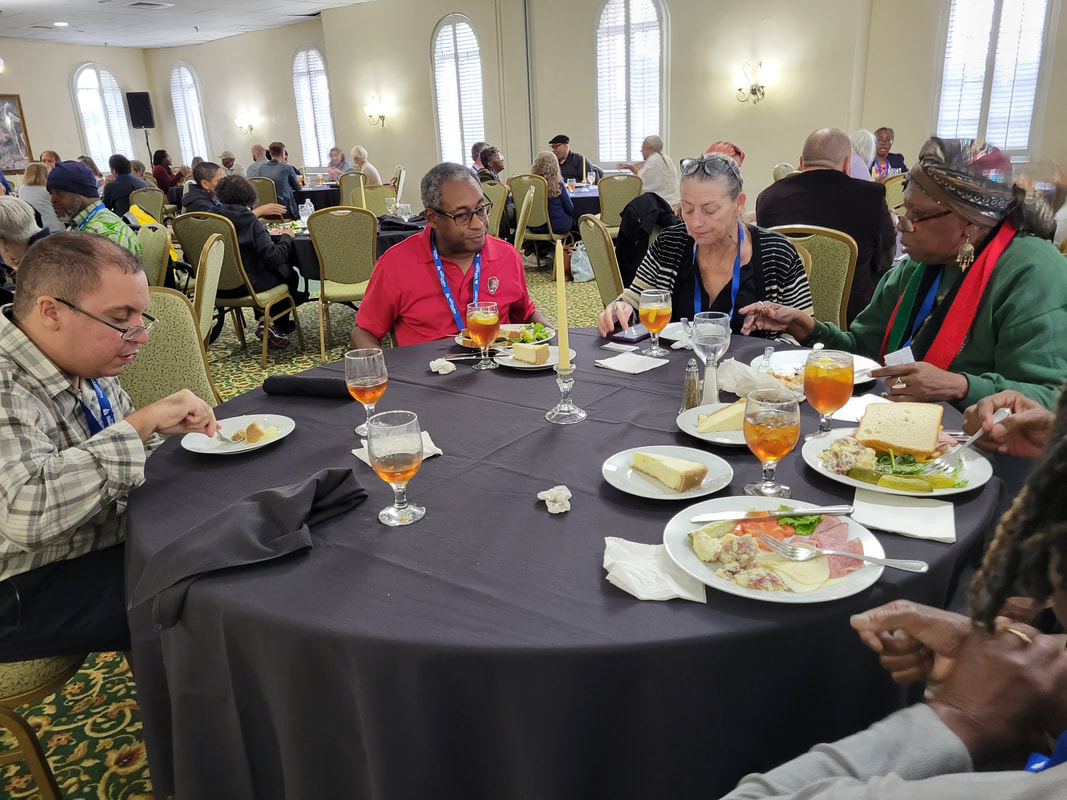
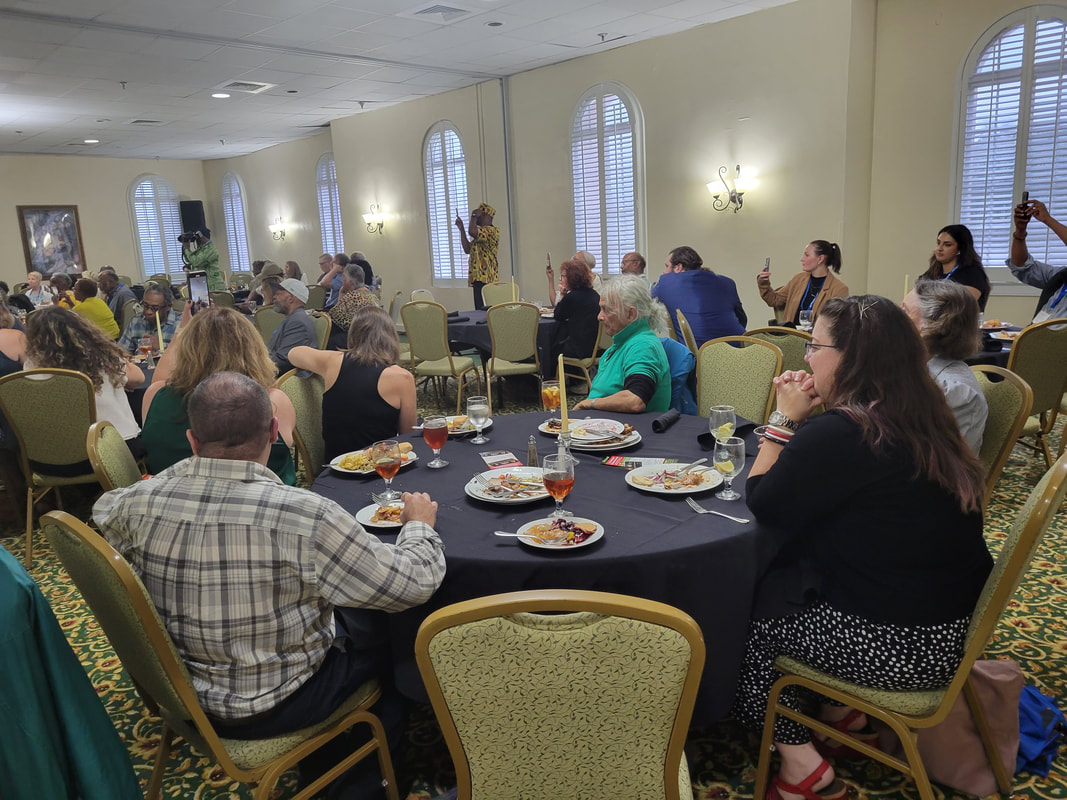
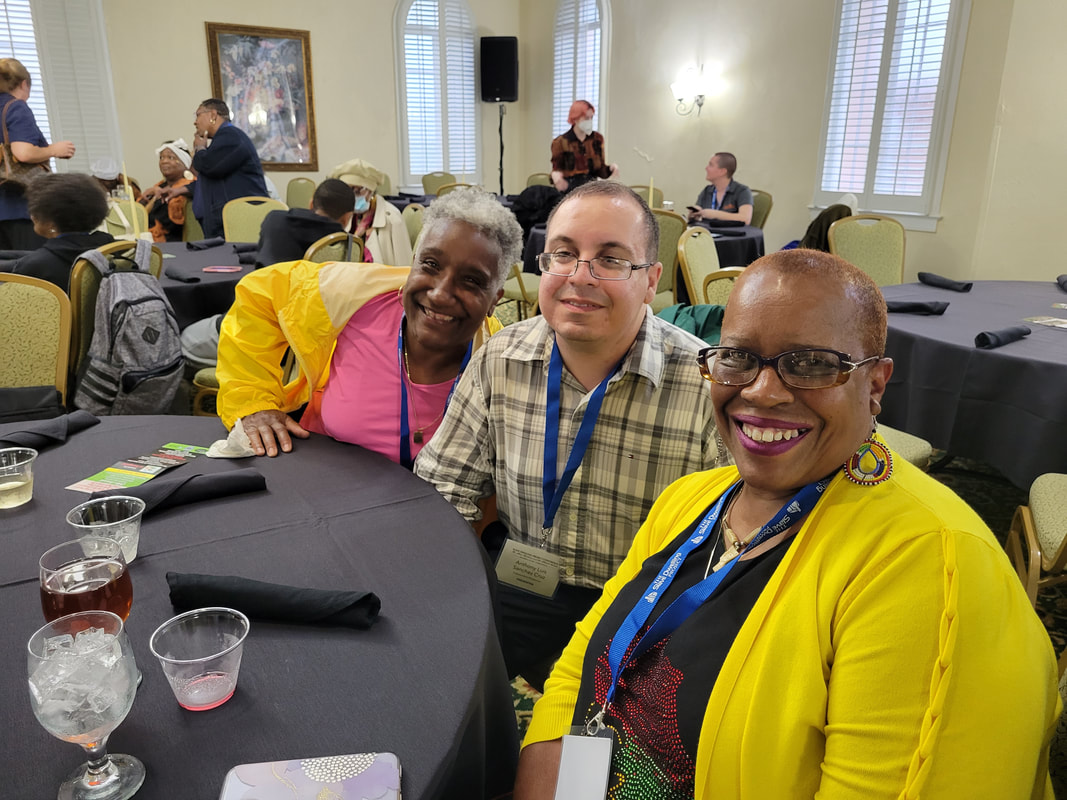
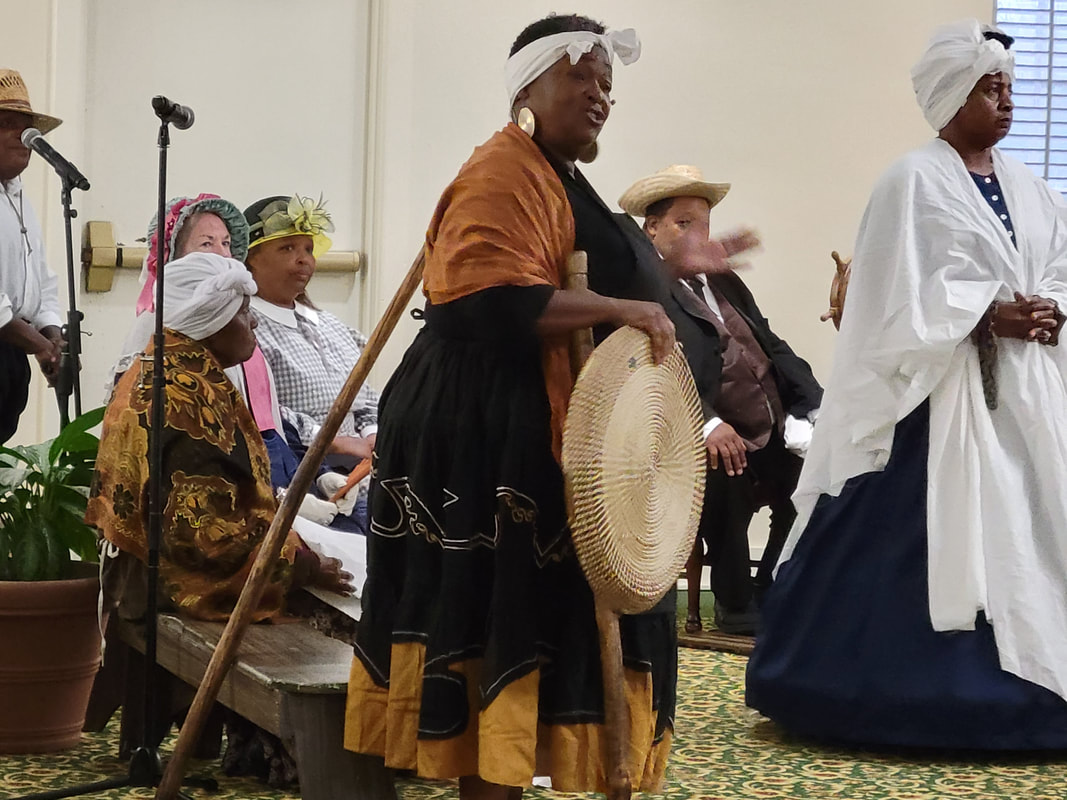
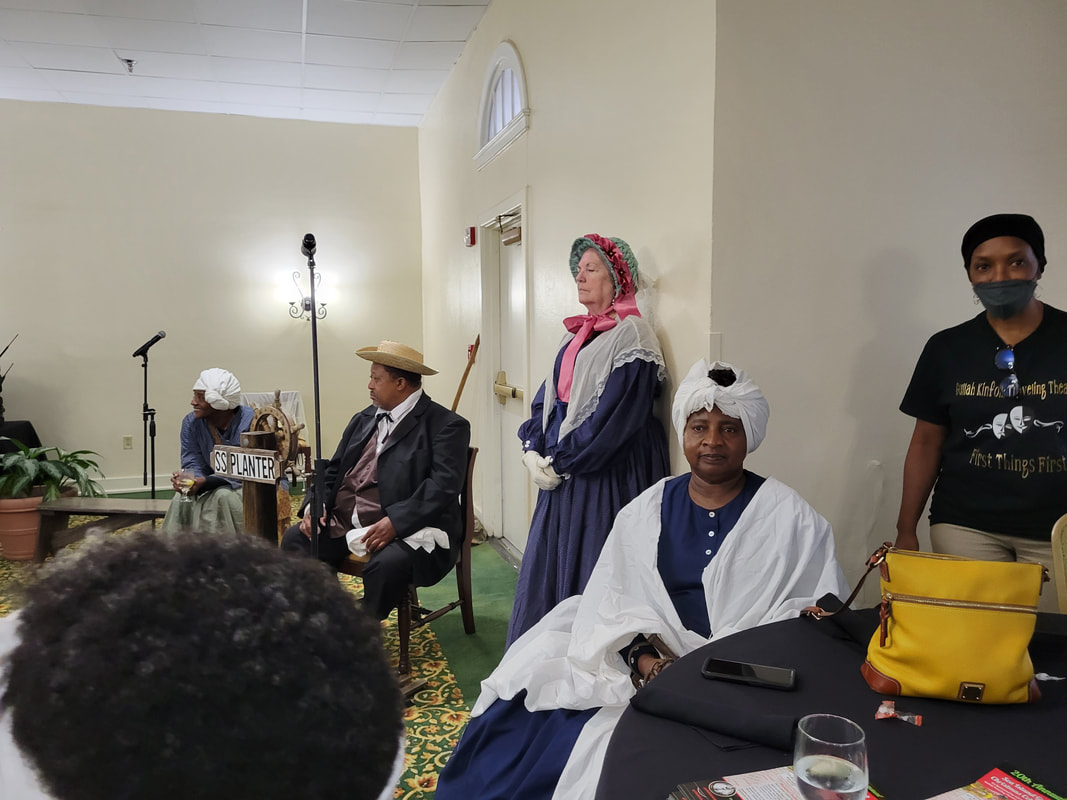
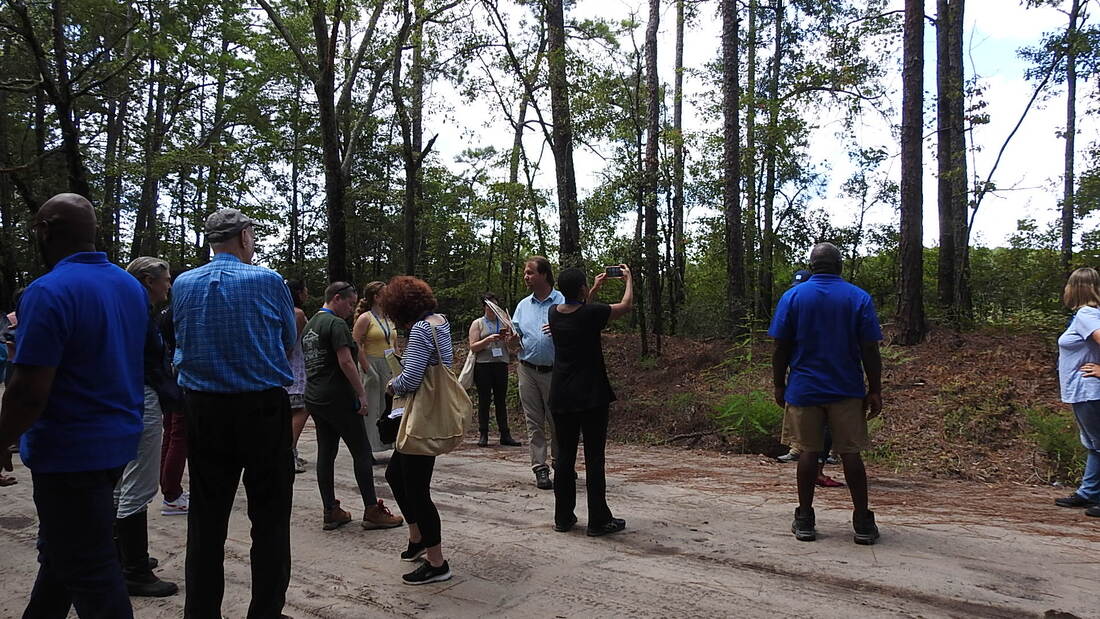
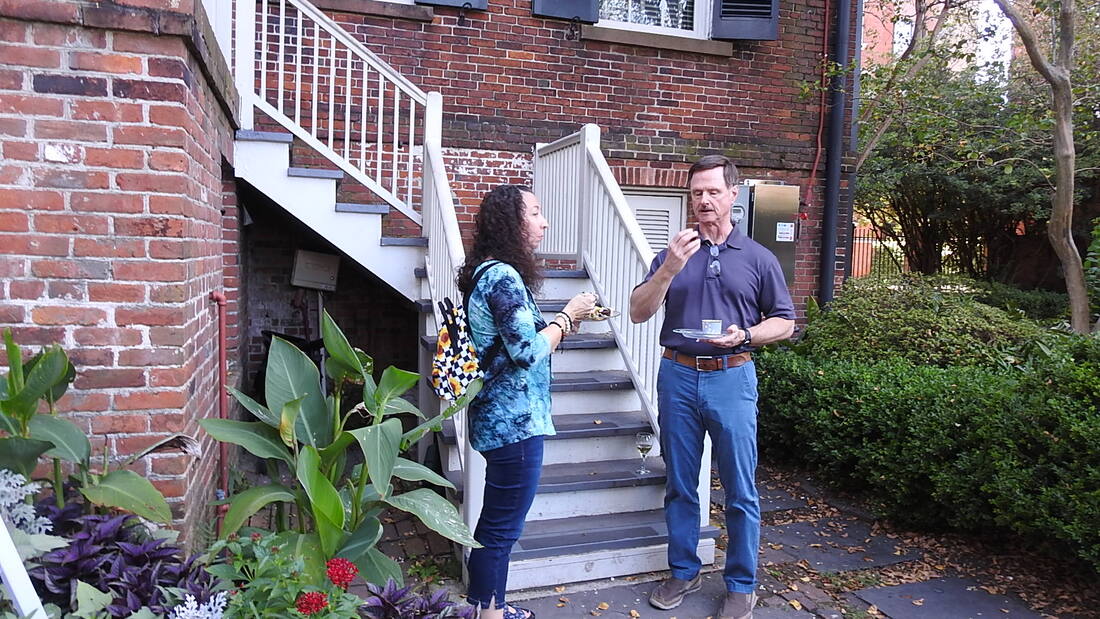
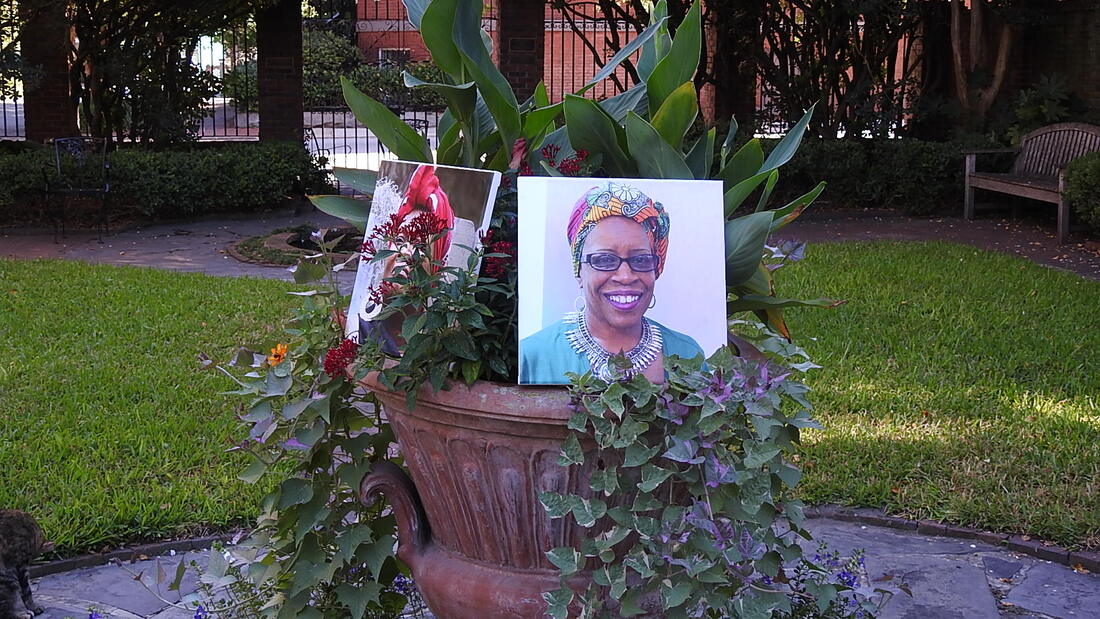
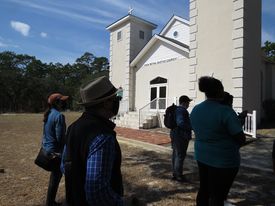
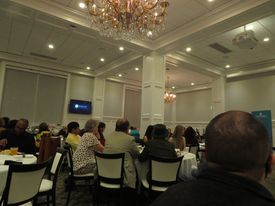
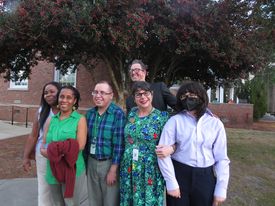
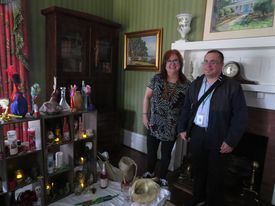
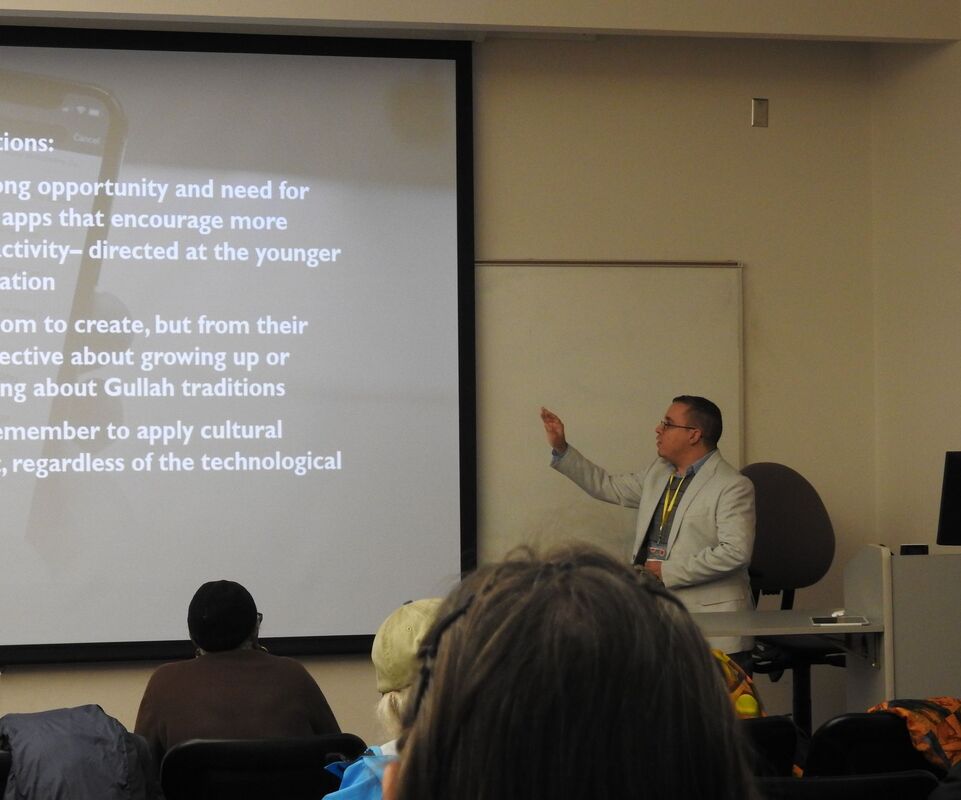
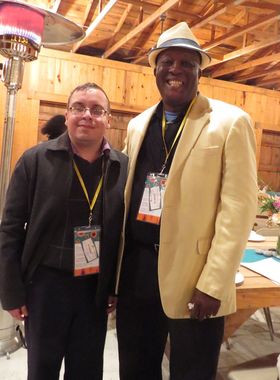
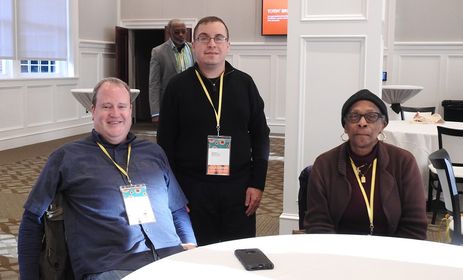
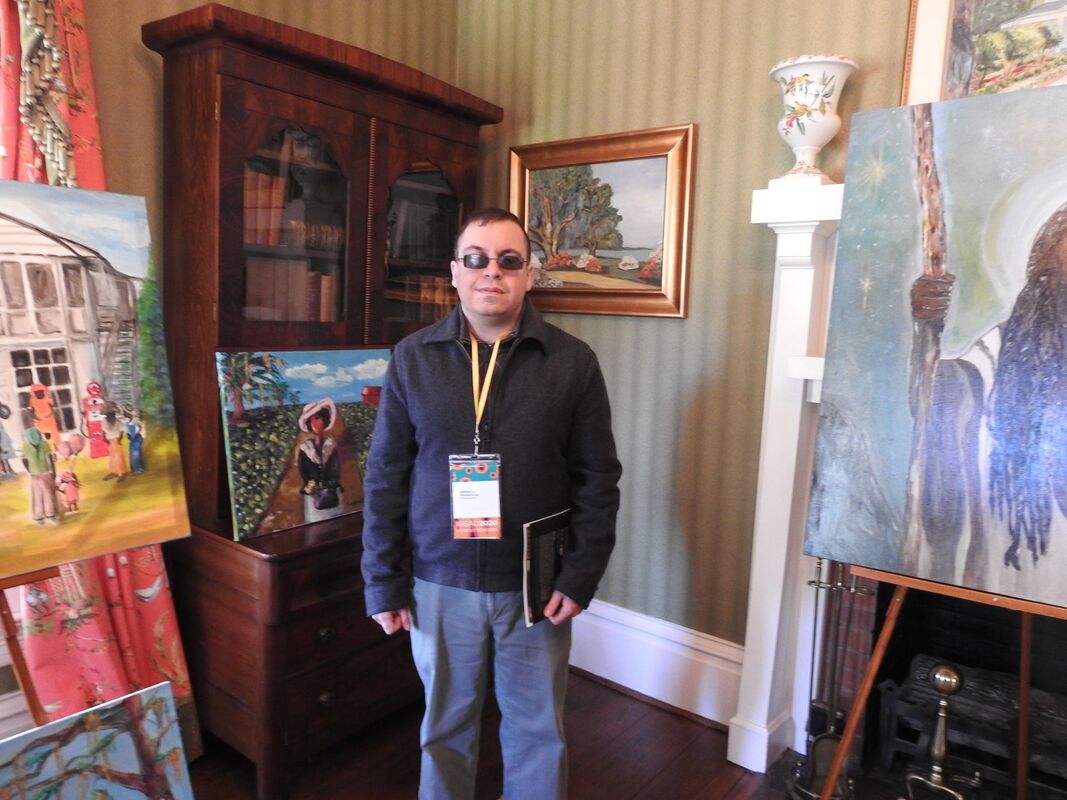
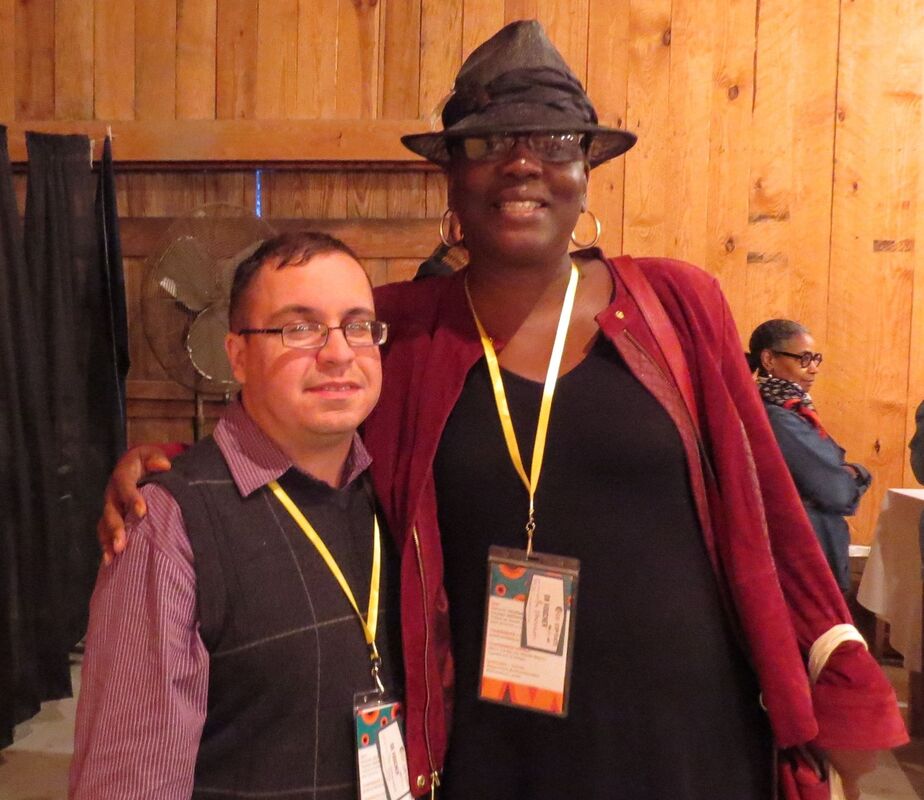
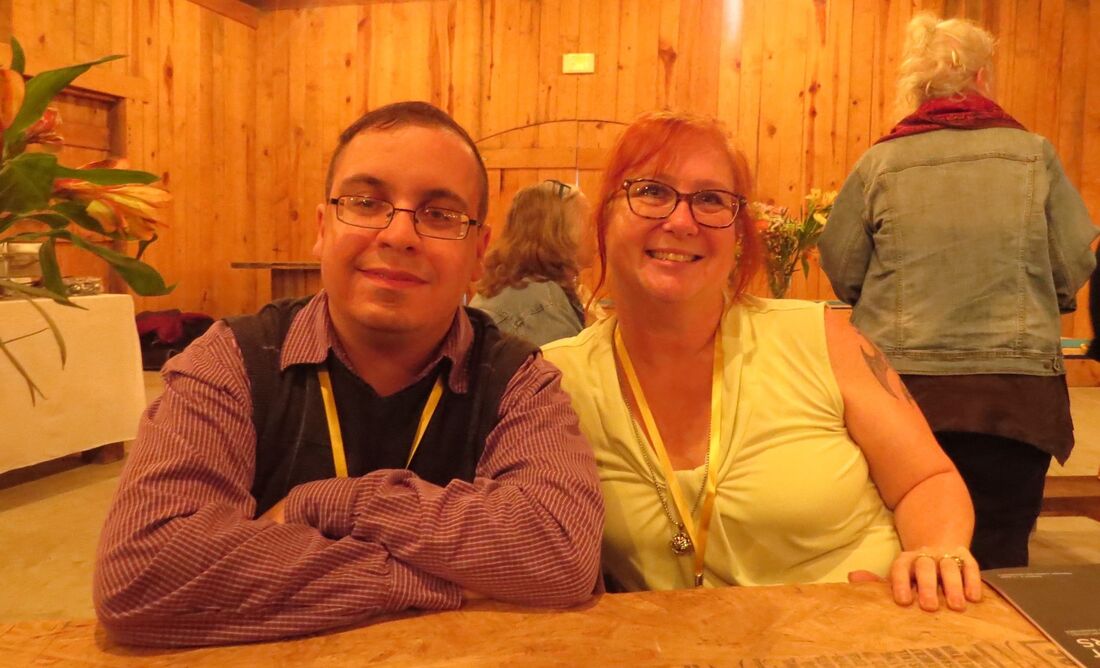
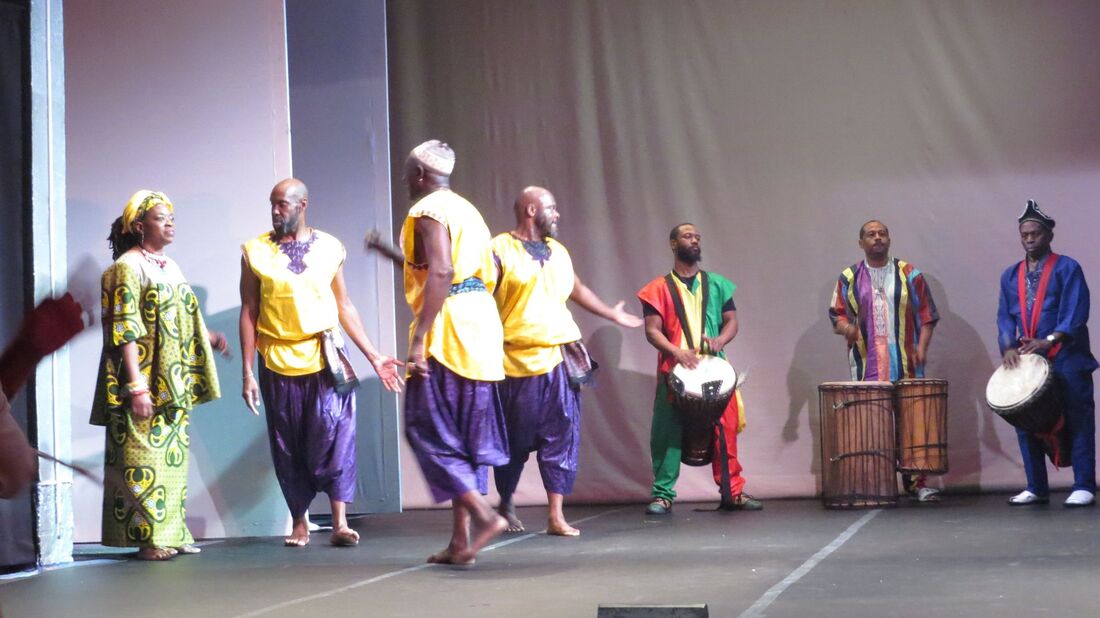
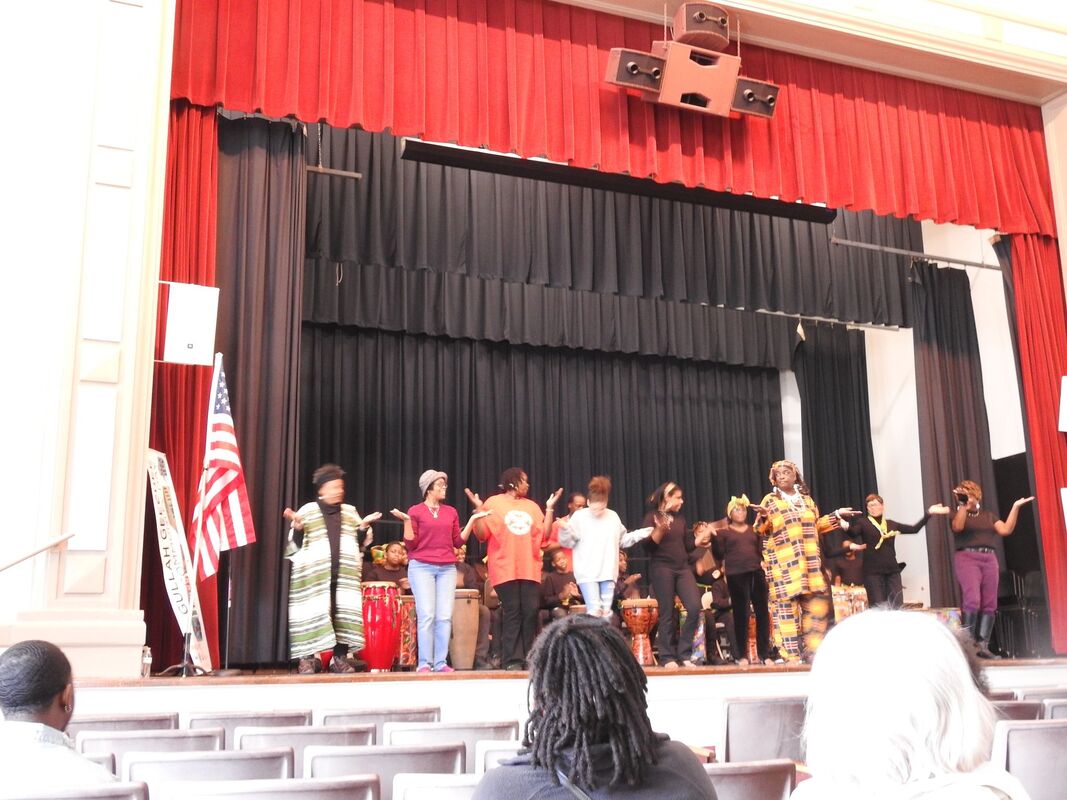
Here are snapshots from events and friends met along the way at  at the 2022 IGGAD Symposium: including footage from my lecture presentation on understanding and preserving Gullah/Geechee and Afro-Latin musical, religious, and linguistic connections 

Lecture, March 2020


IGGAD 2020 Conference


IGGAD 2020 Concerts


​Radio Interview

Gathering of Nations
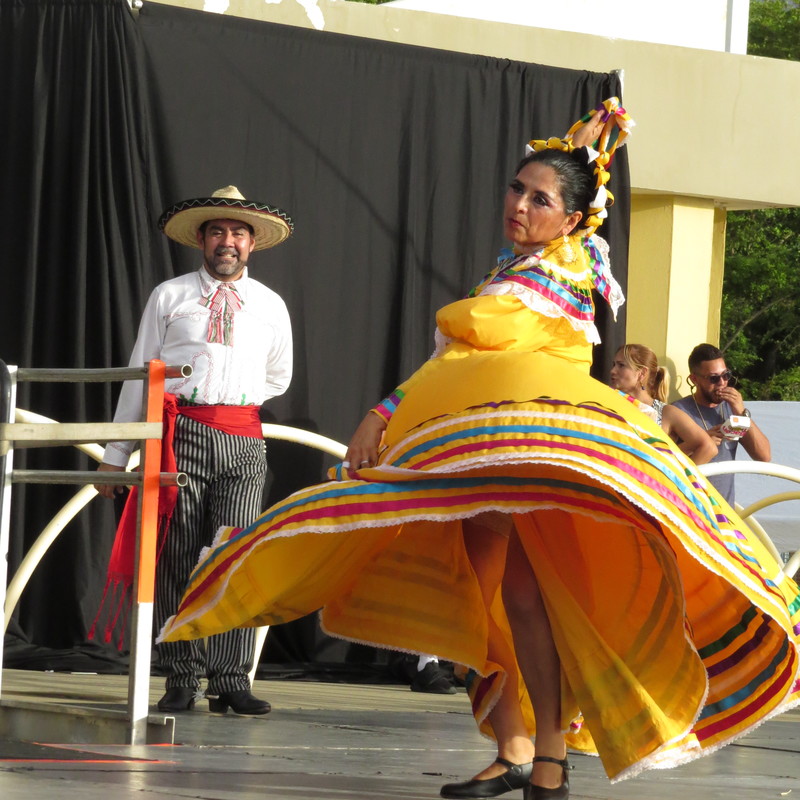

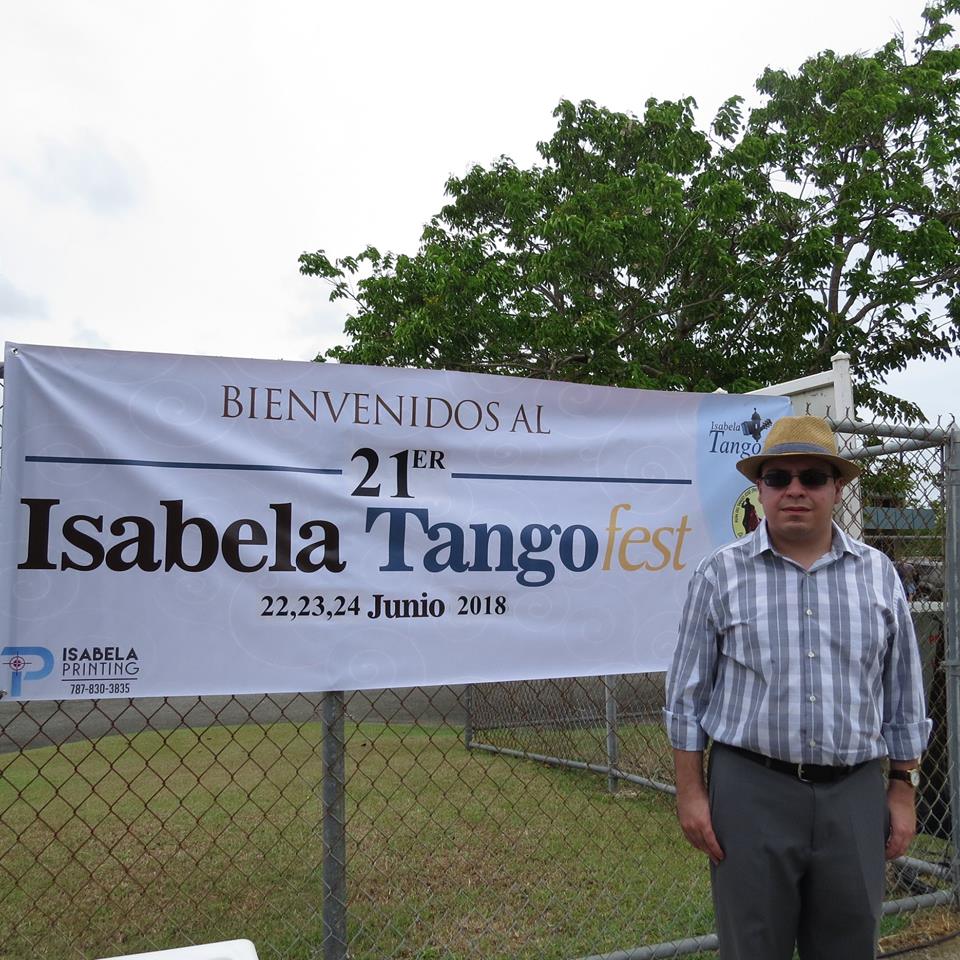
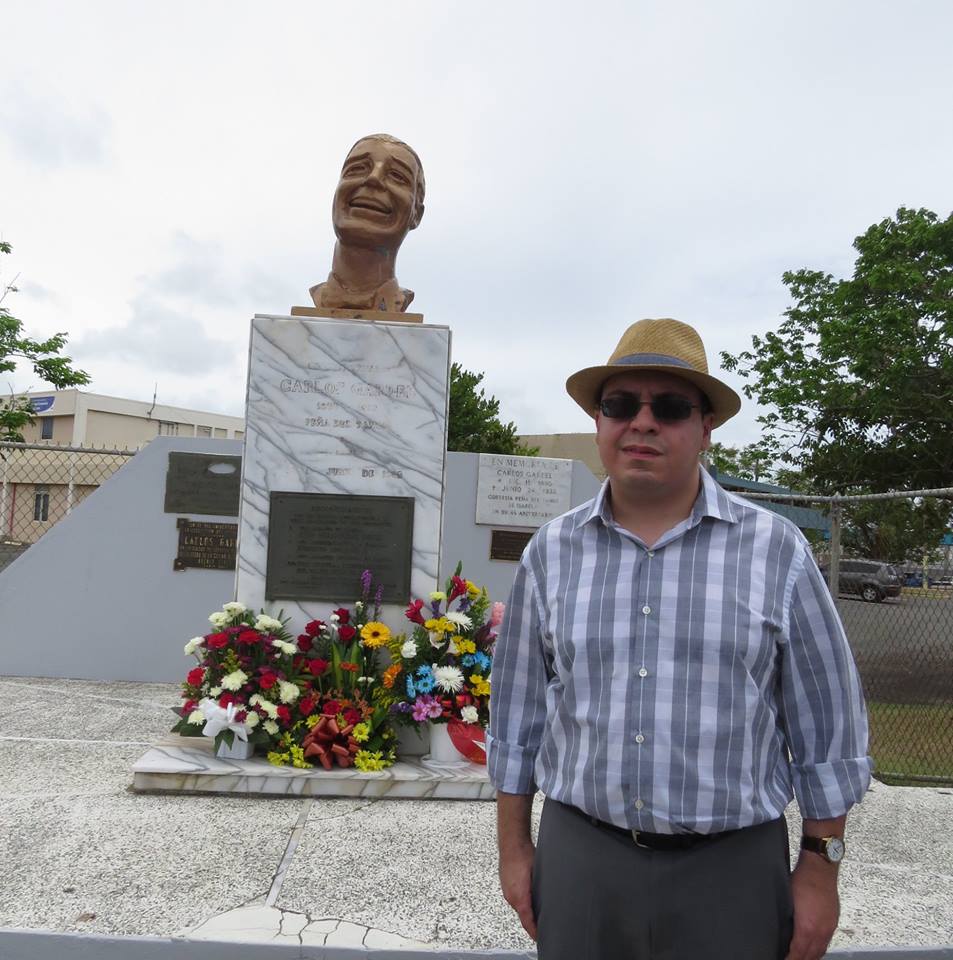
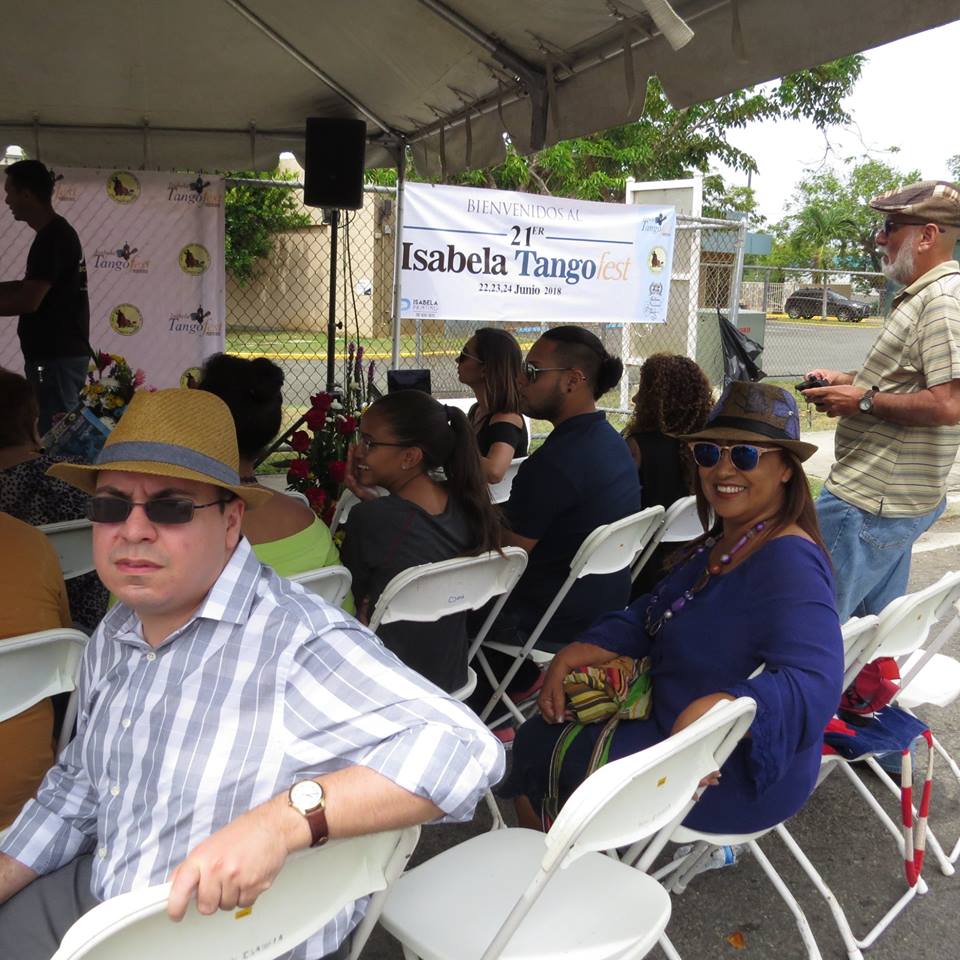
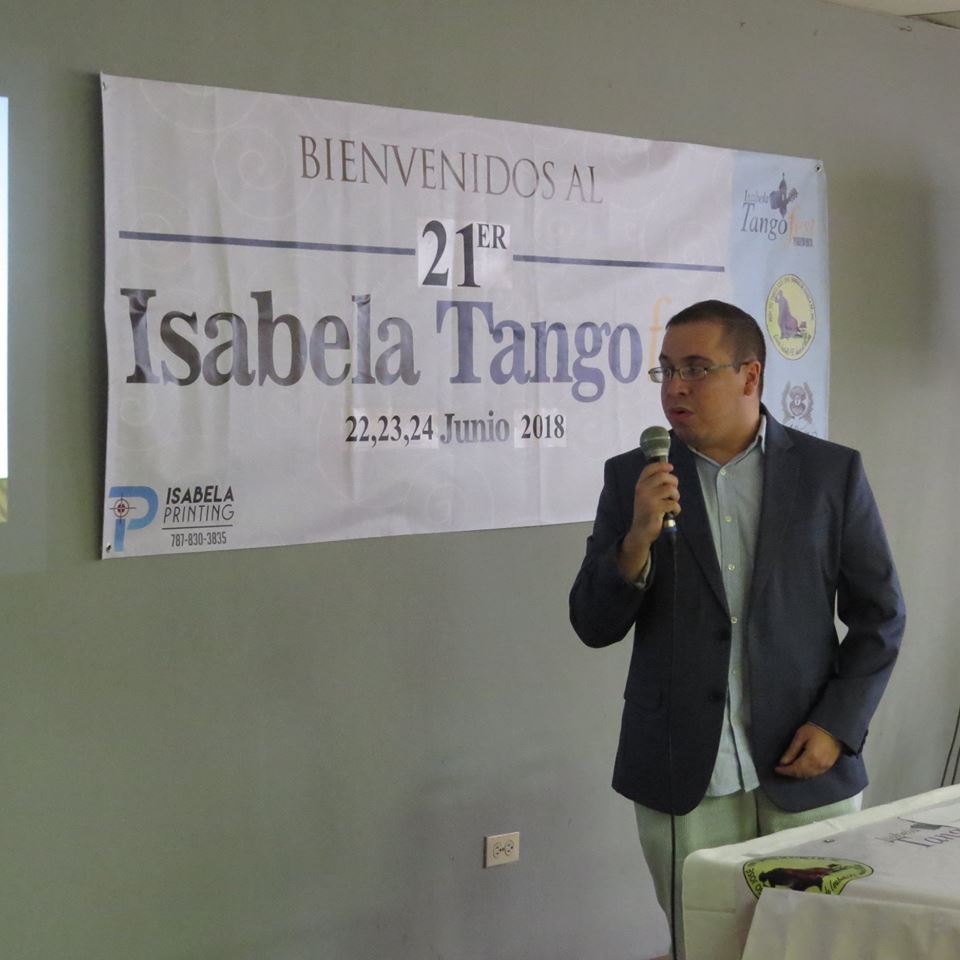
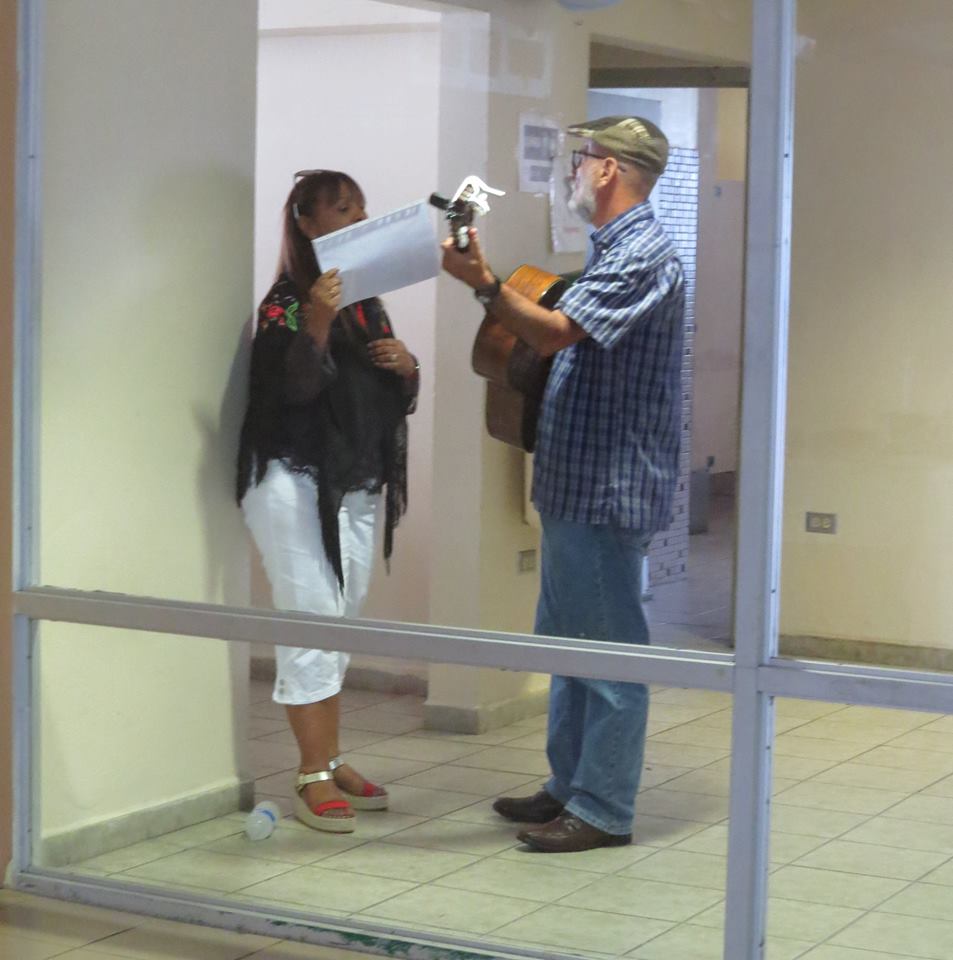
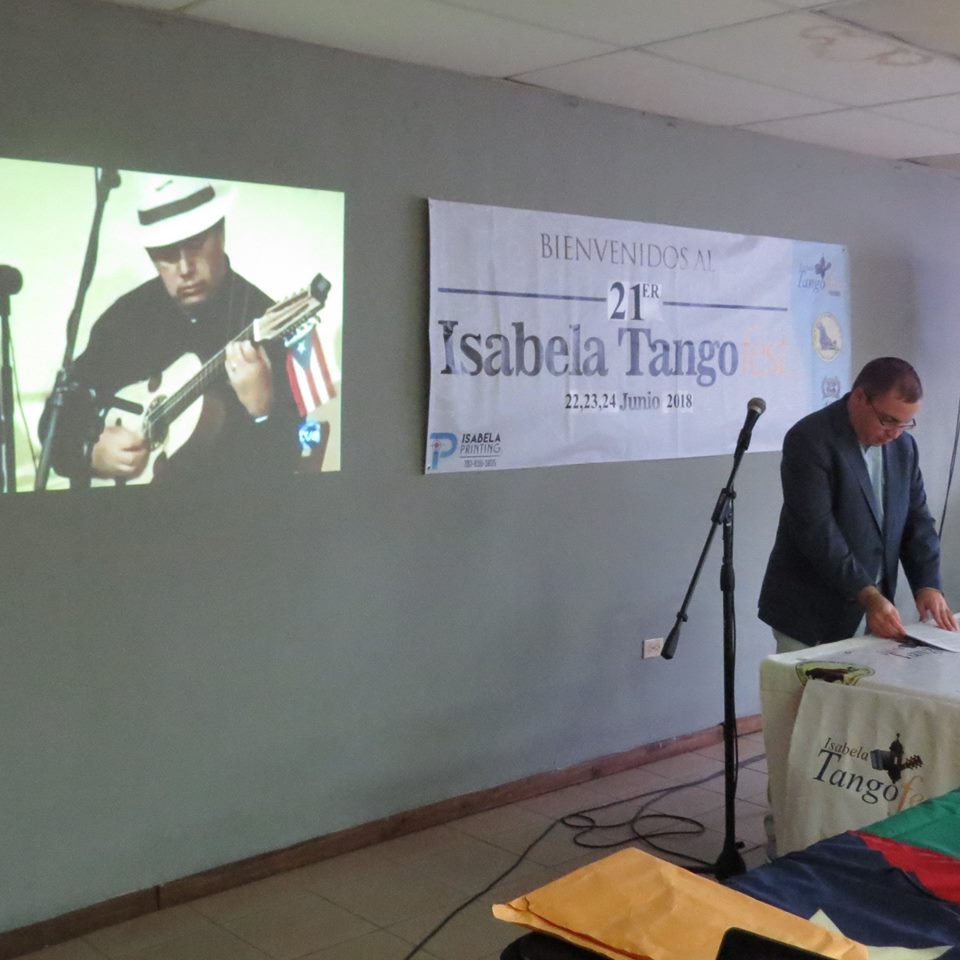
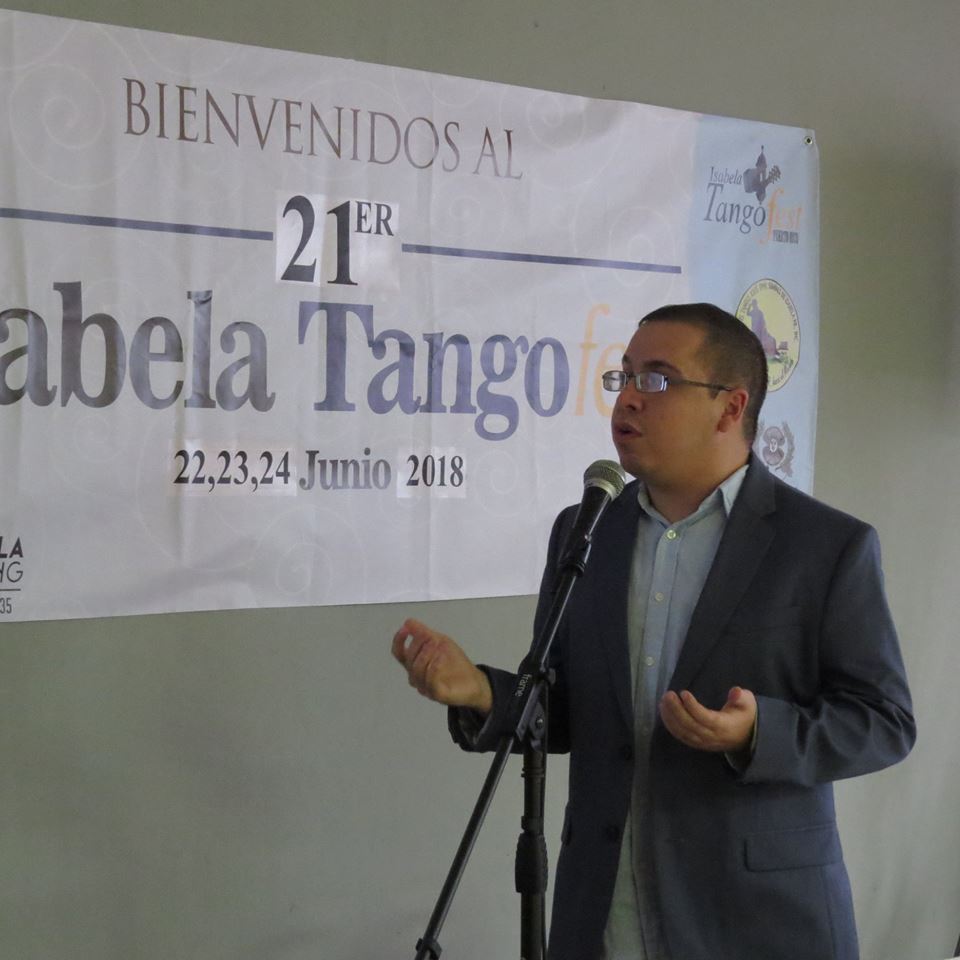
2018 Isabela Tangofest: Opening Day


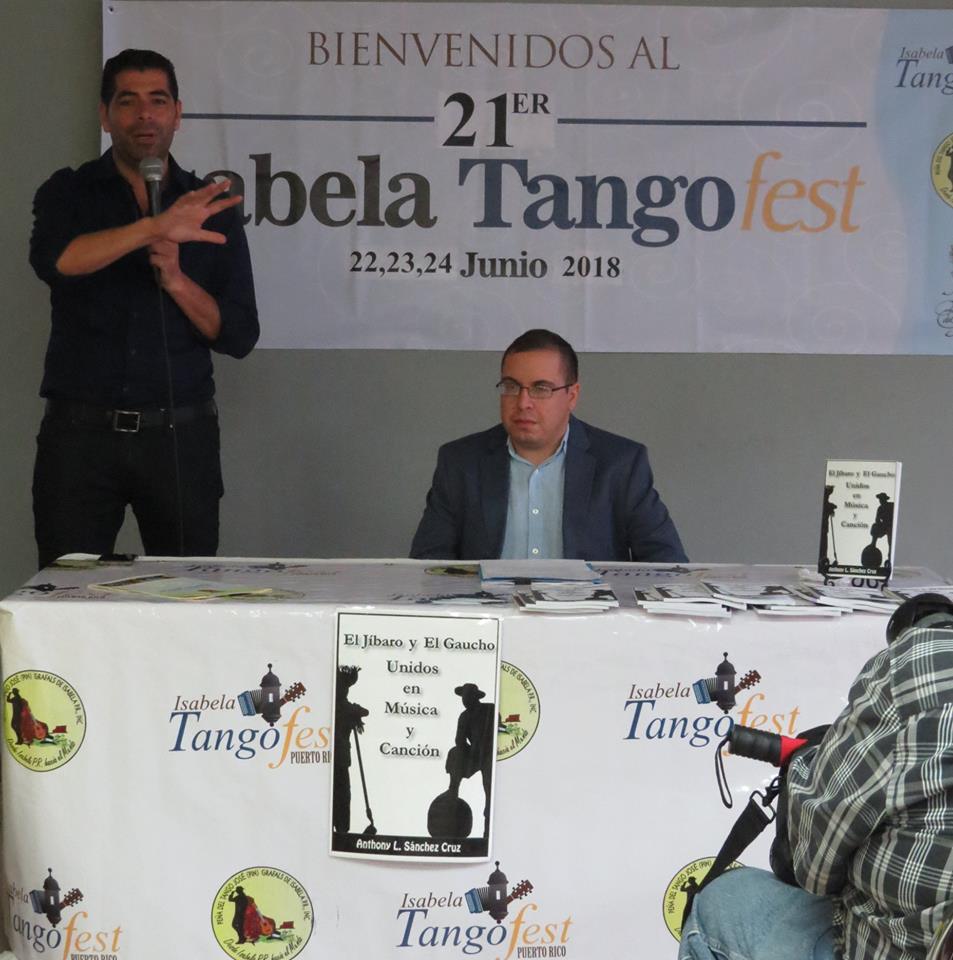
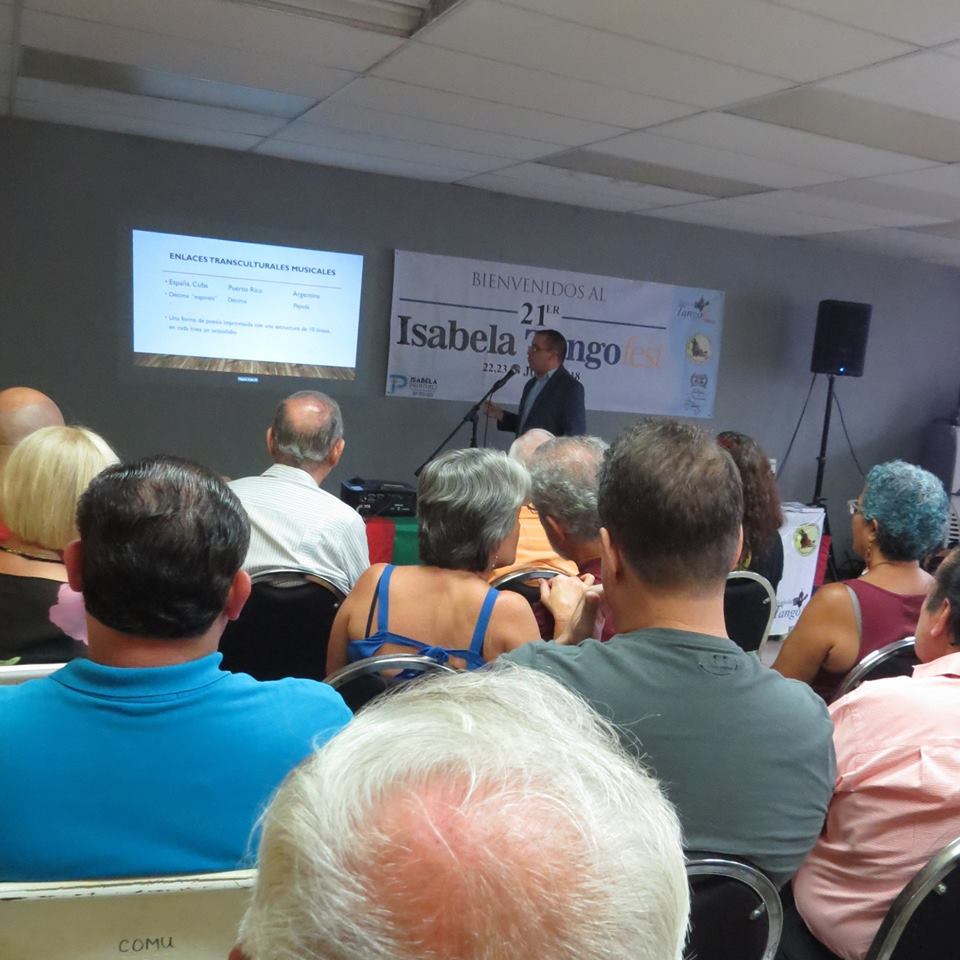
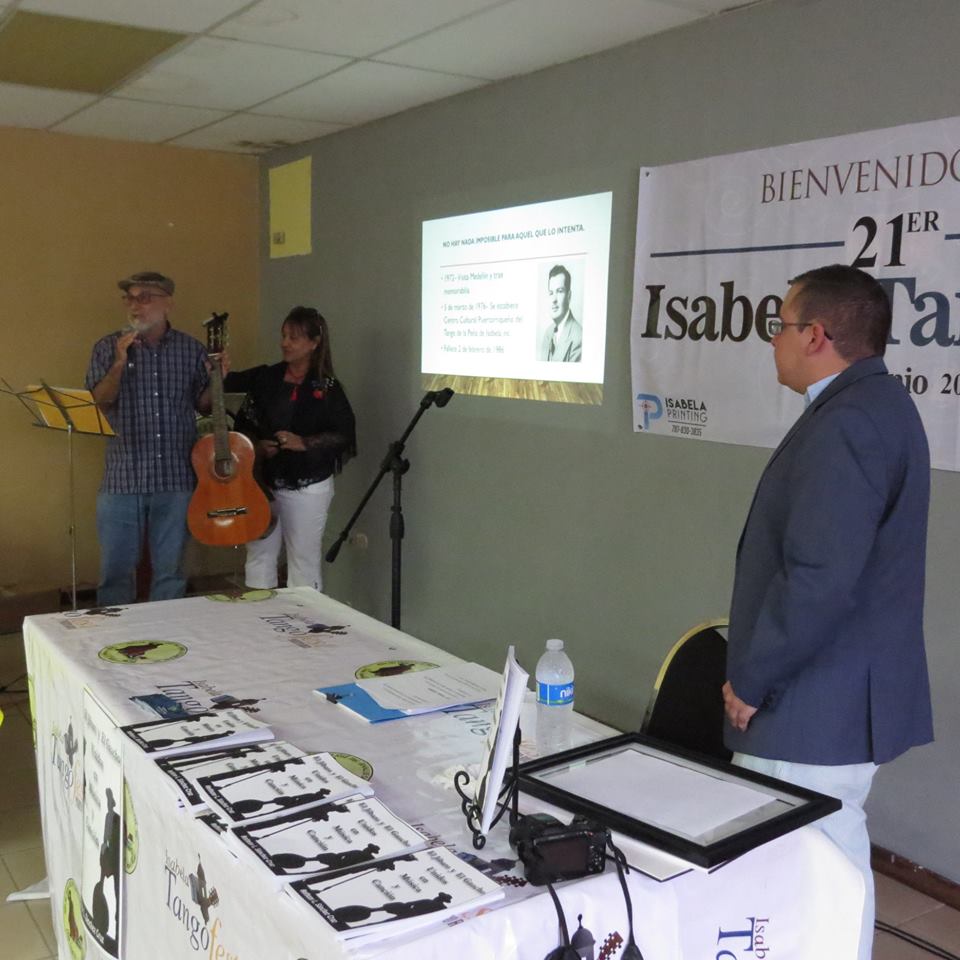
2018 Isabela Tangofest: Day 2 Conference


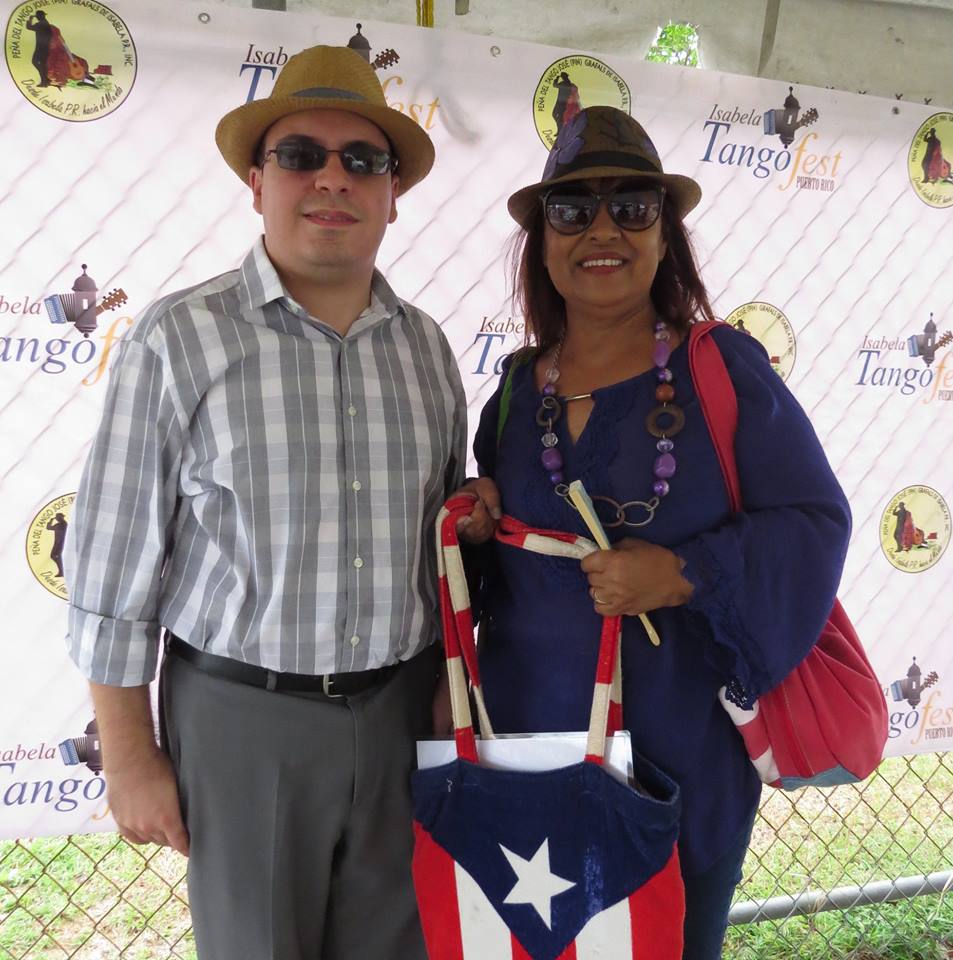
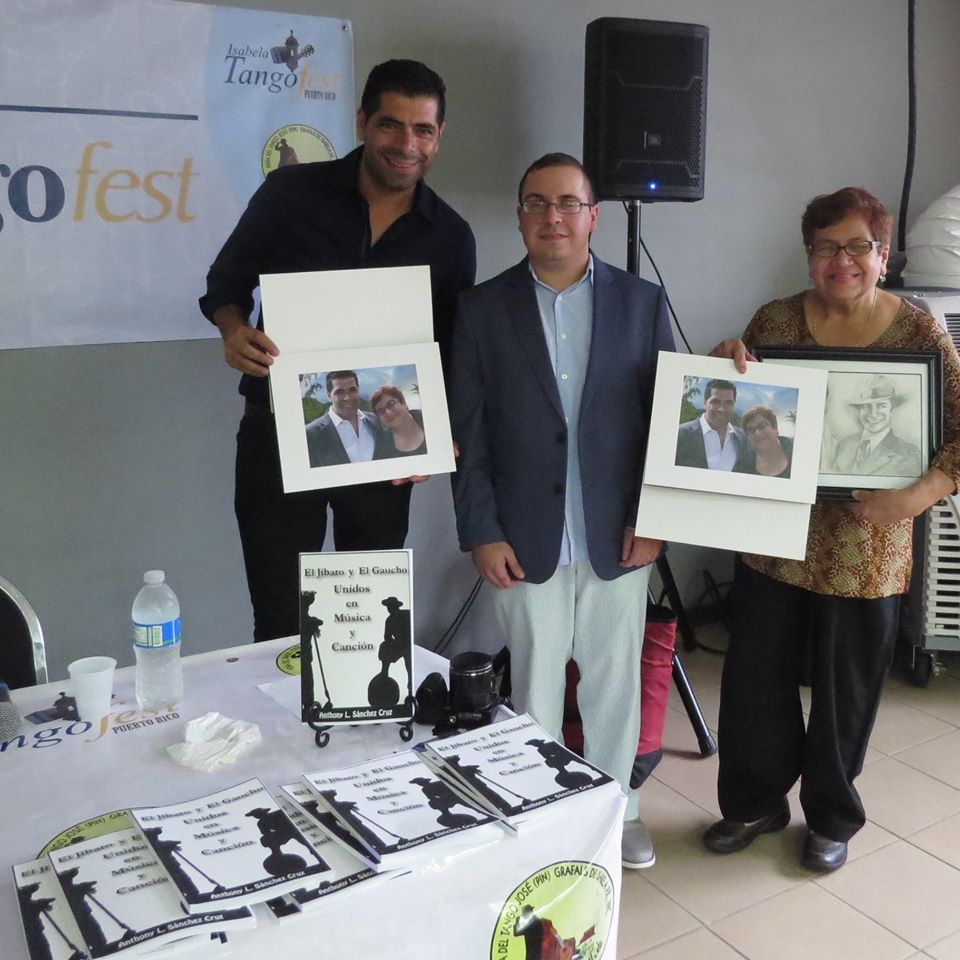
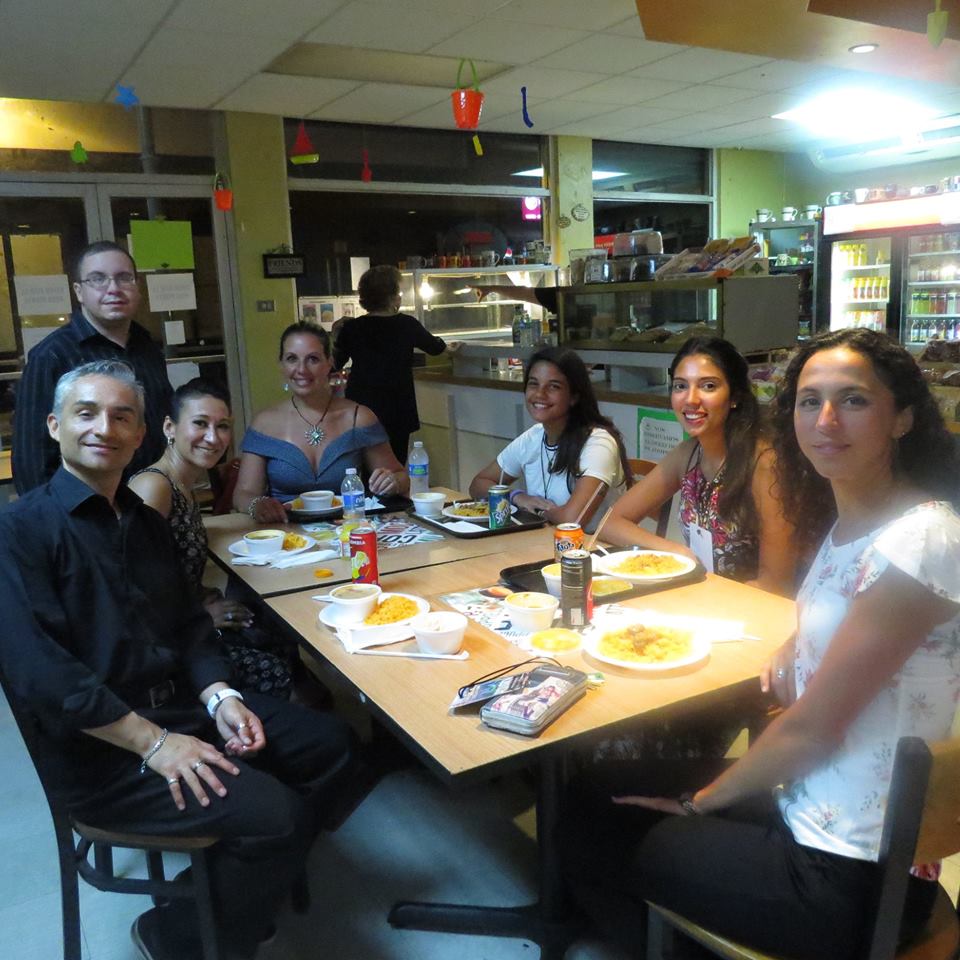
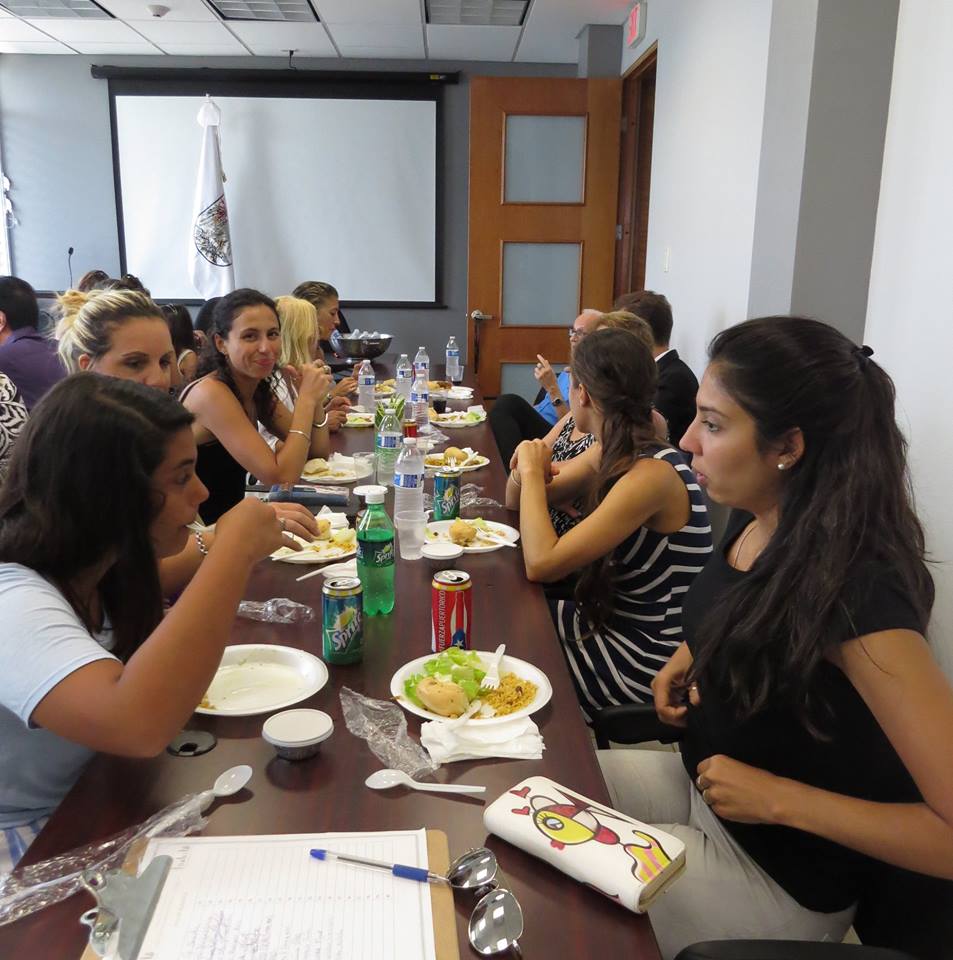
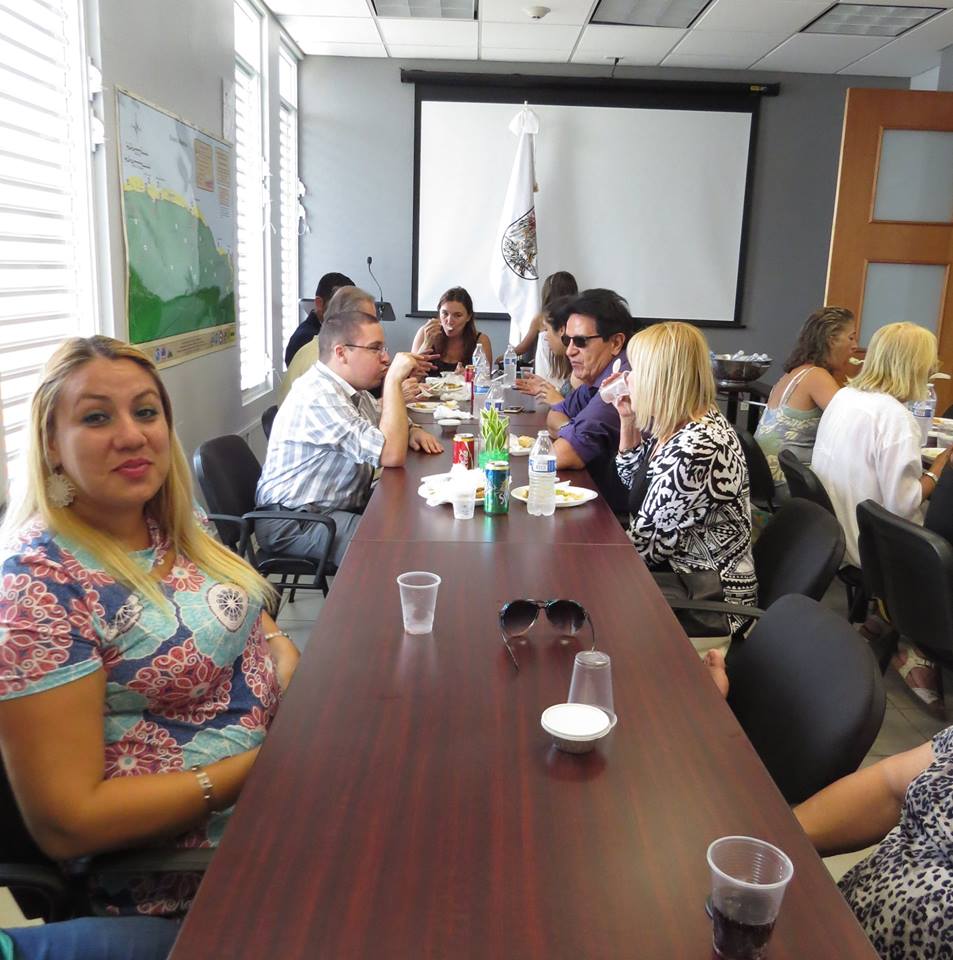
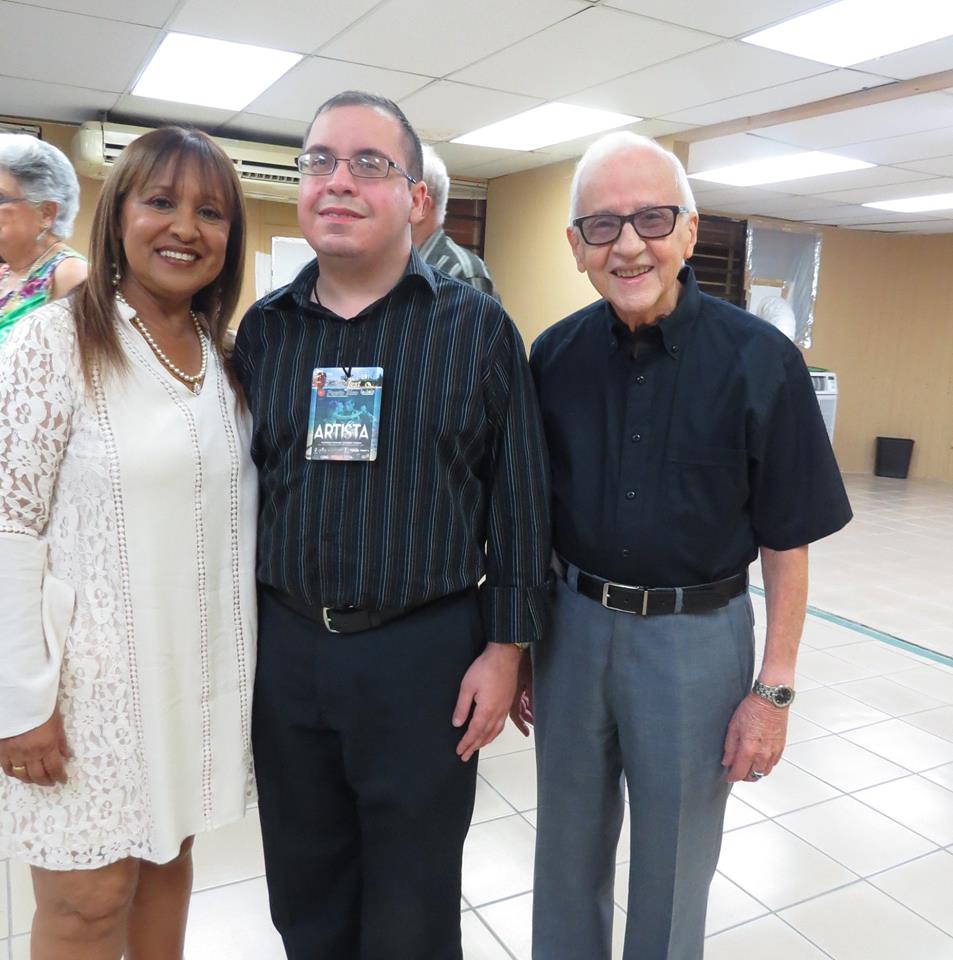
2018 ISABELA TANGOFEST: New Friends
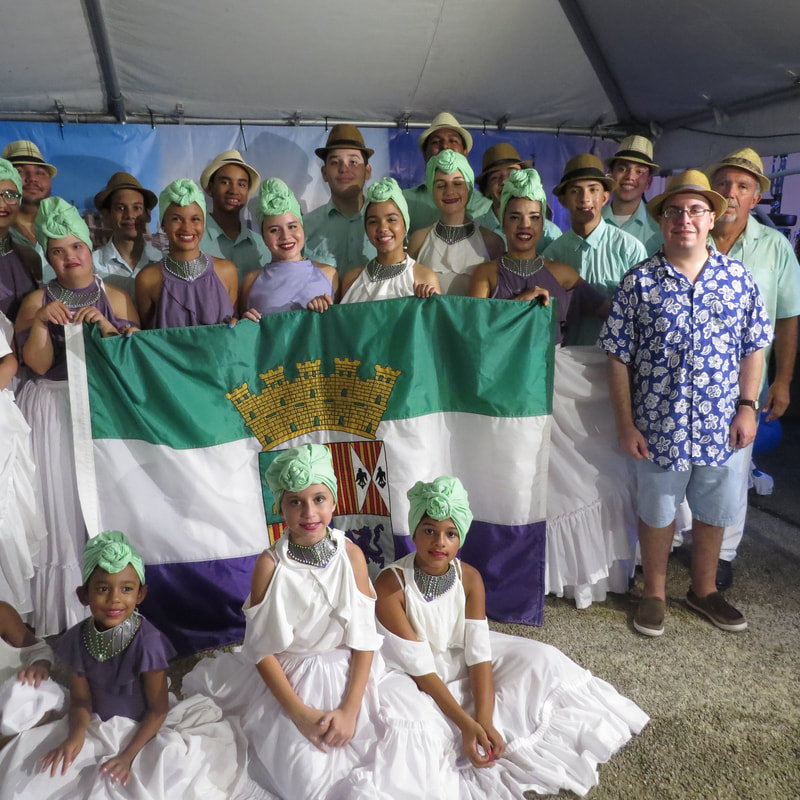

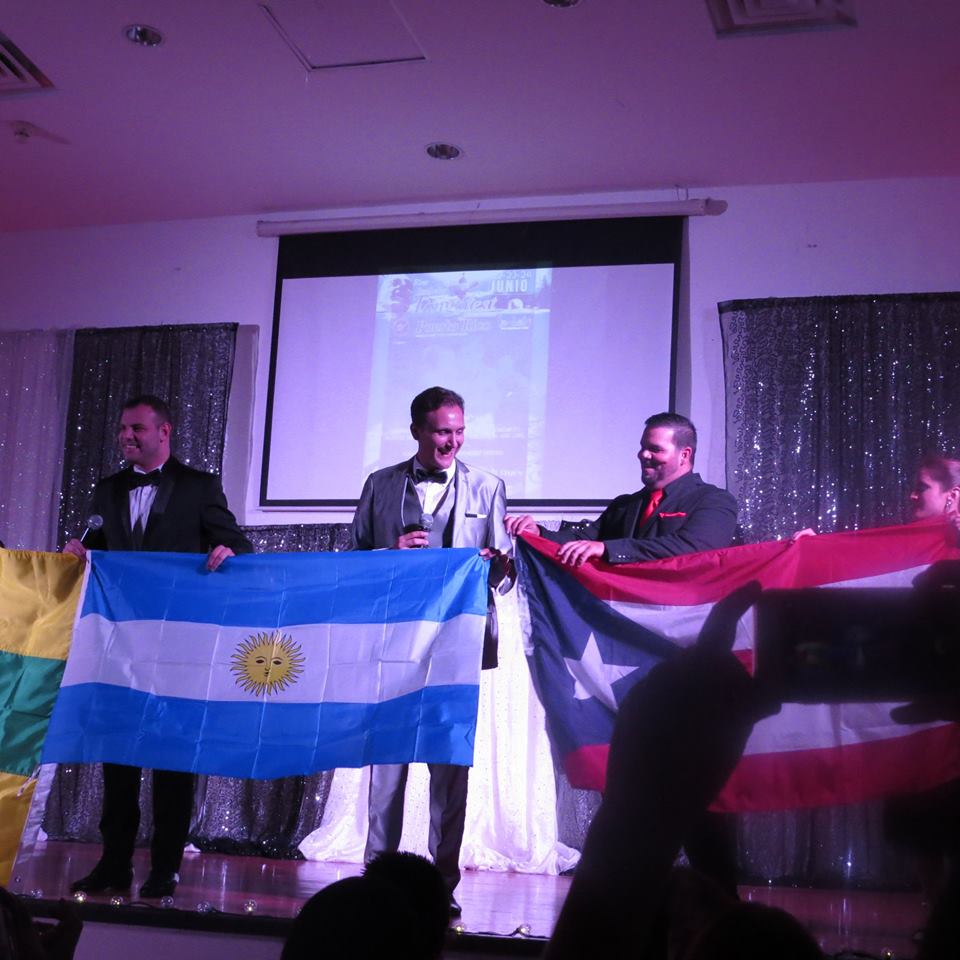
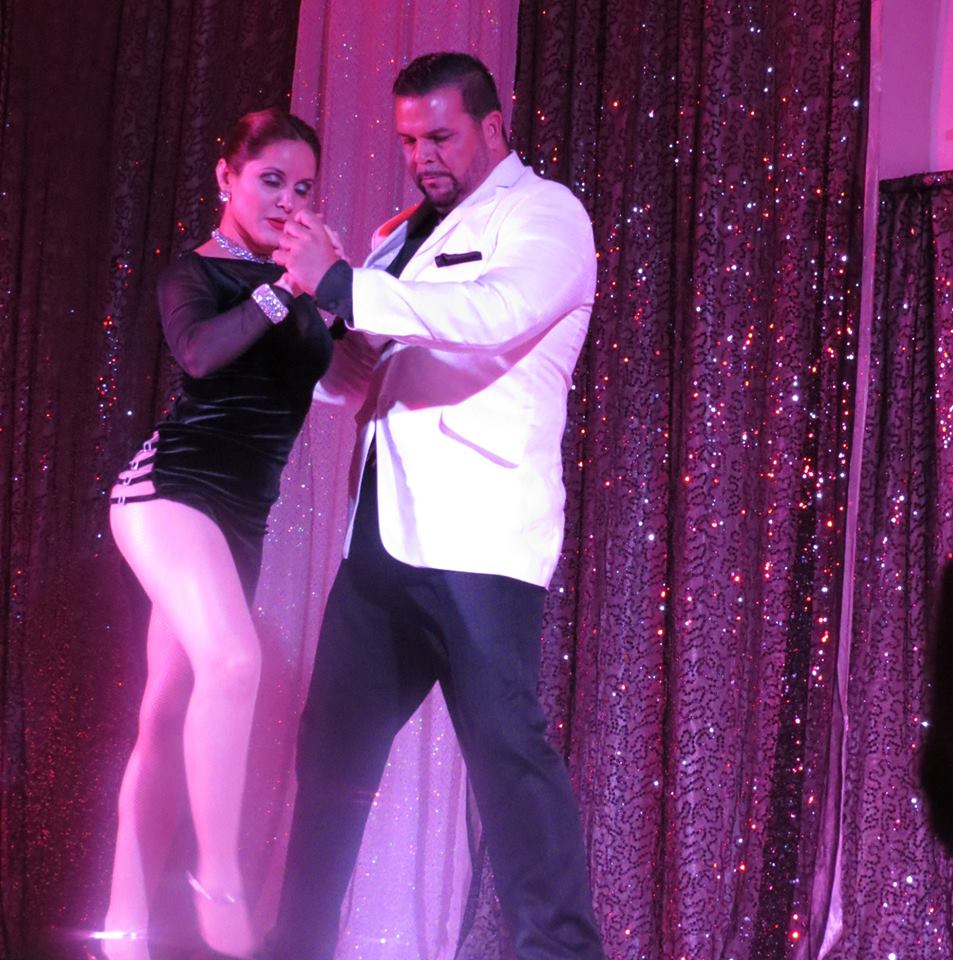
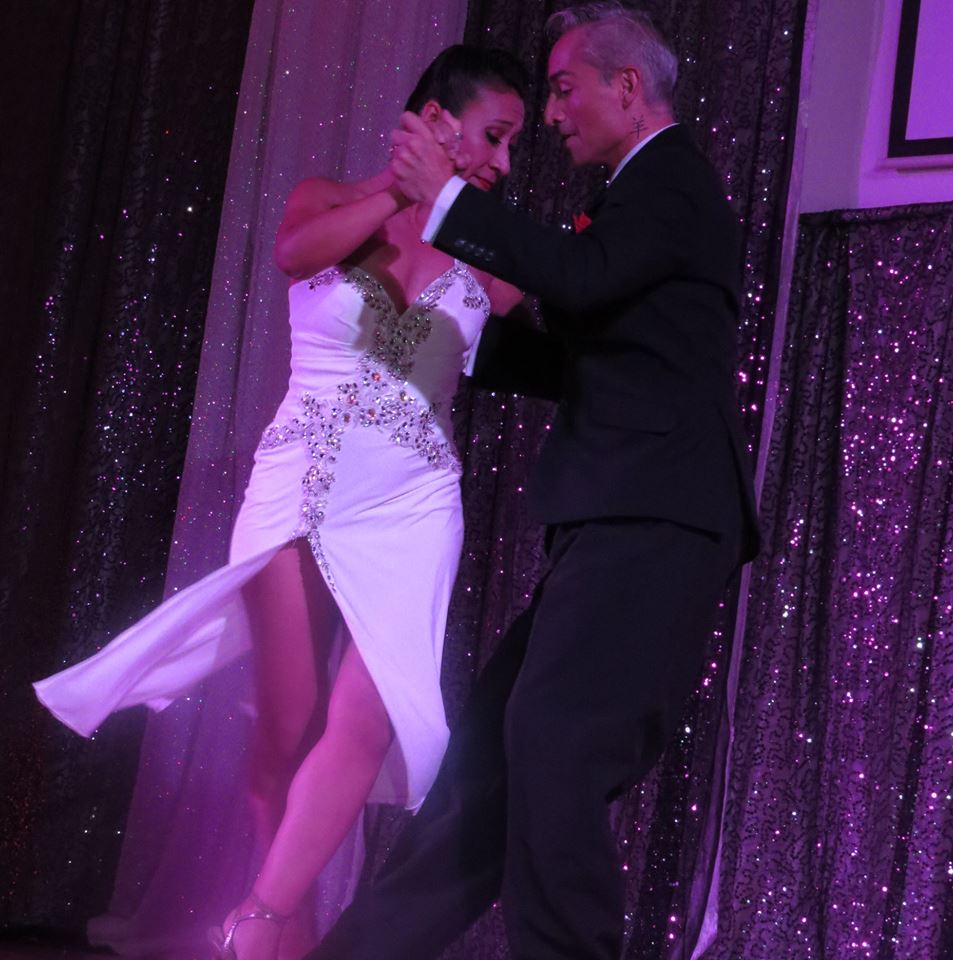
2018 ISABELA TANGOFEST: Gala Concert

Book Promotion

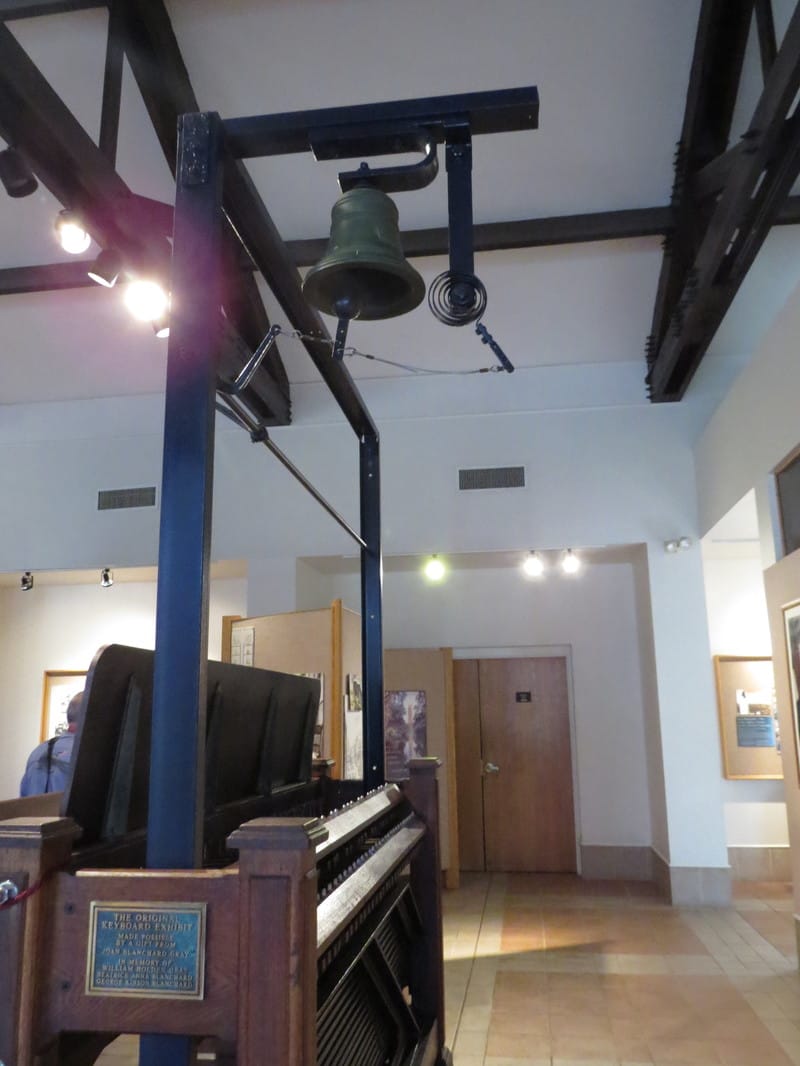
Carillon


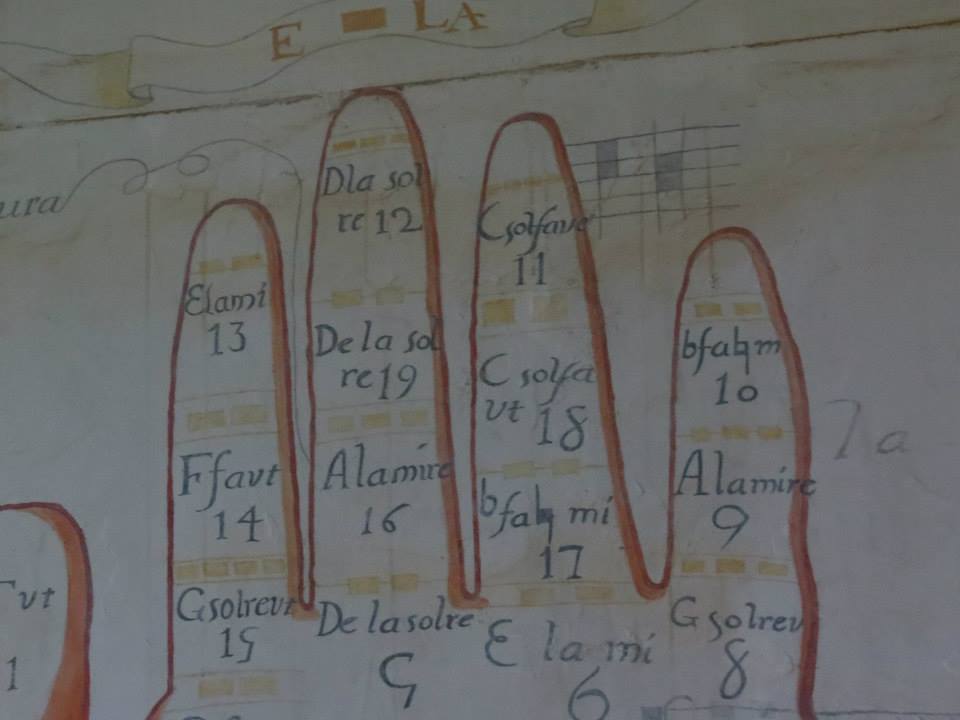
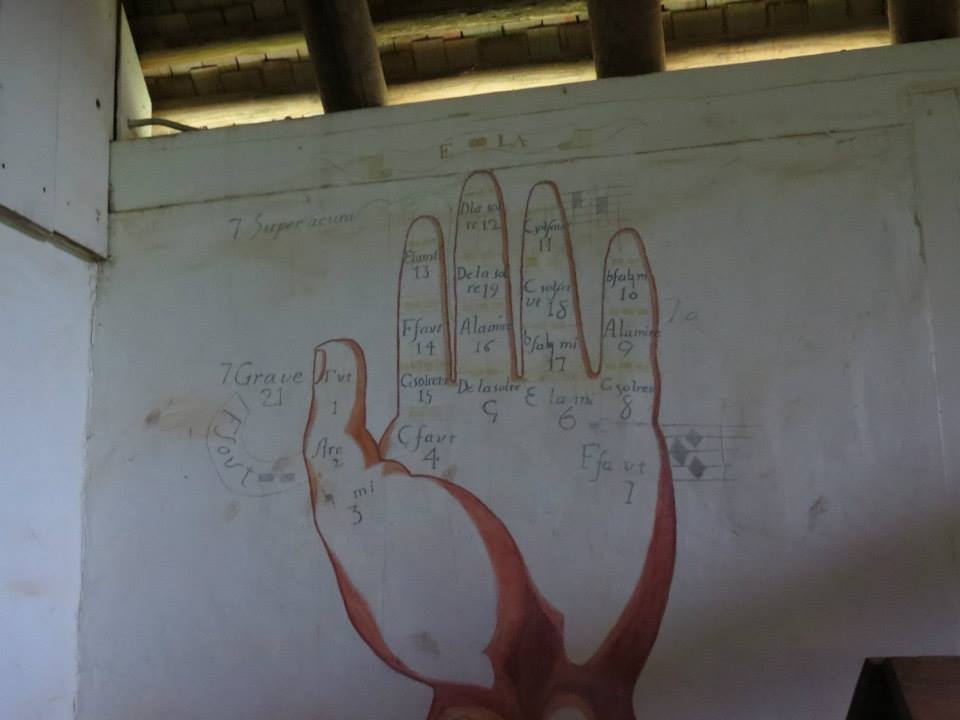
​The Guidonian Hand


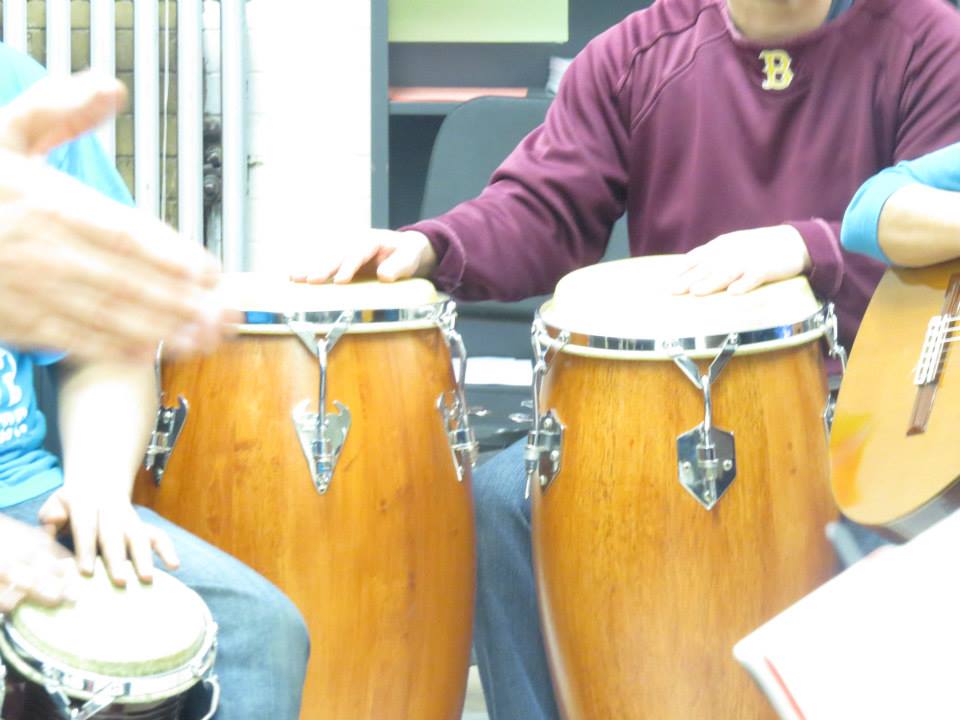
Puerto Rican Folk Instruments


Technology

Powered by Create your own unique website with customizable templates.